Worried about seafood cooking at home? Buy it fresh, keep it cold, cook fish thoroughly and keep raw and cooked seafood apart. That routine covers most of what keeps you safe.
| Item | Value |
|---|---|
| Refrigerator storage for seafood | below 40°F |
| Freezer storage for seafood | 0°F |
| Cooking temperature for fish | 145°F |
| Cooked shellfish check | shells open |
| Gills on fresh fish | red |
These figures come from the University of Maine Extension guide to safe seafood consumption. Guidance can change, so check the source before you rely on them.
How do you pick fresh fish and shrimp?
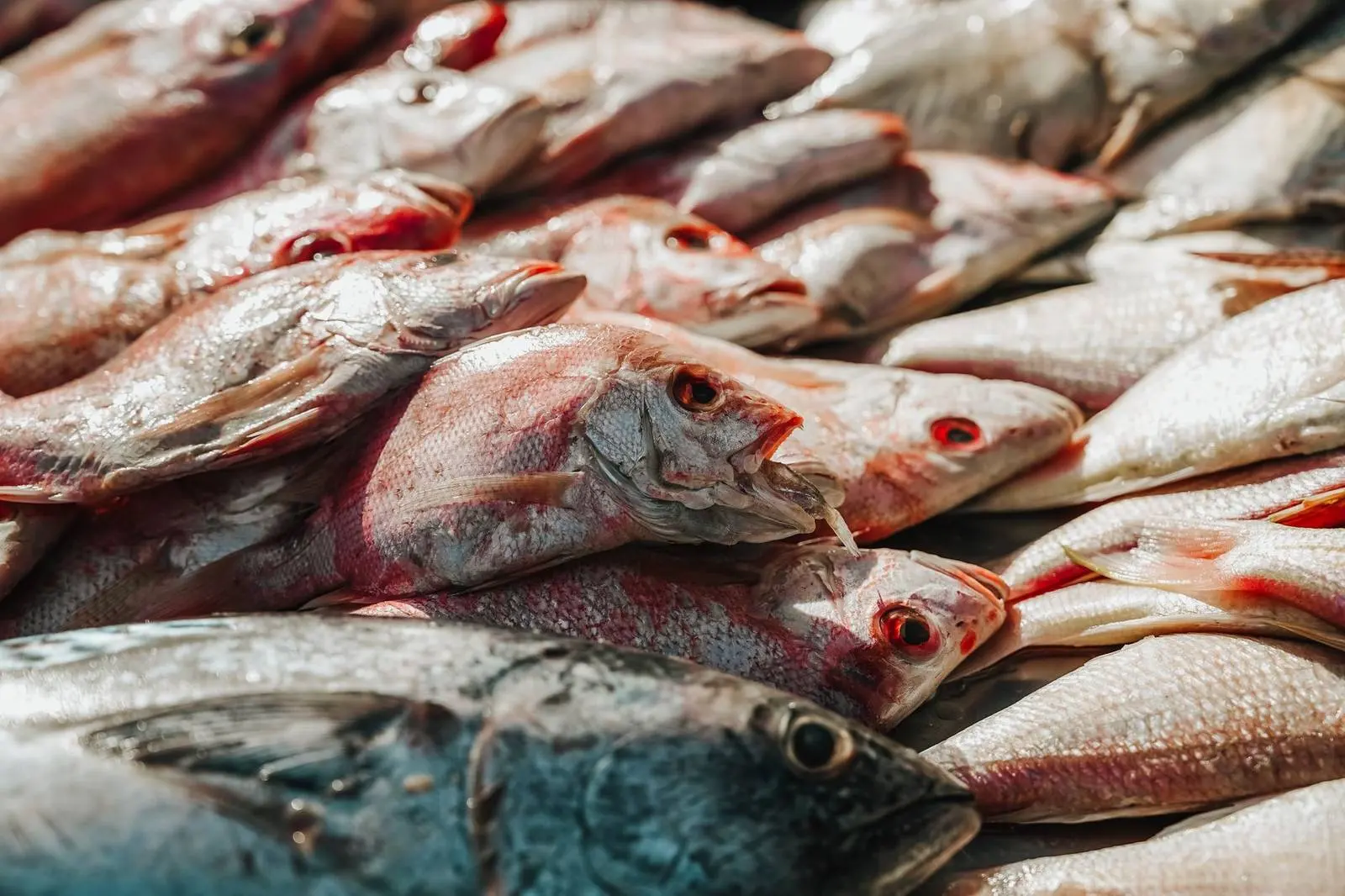
Good results start at the counter, so use your eyes and nose before you pay. The University of Maine Extension guide advises buying refrigerated or iced seafood from covered displays and reading any time and temperature labels on the packaging.
Run through this quick checklist when you inspect whole fish, fillets and shrimp:
- Smell: a mild scent is right; avoid fishy, sour or ammonia odors.
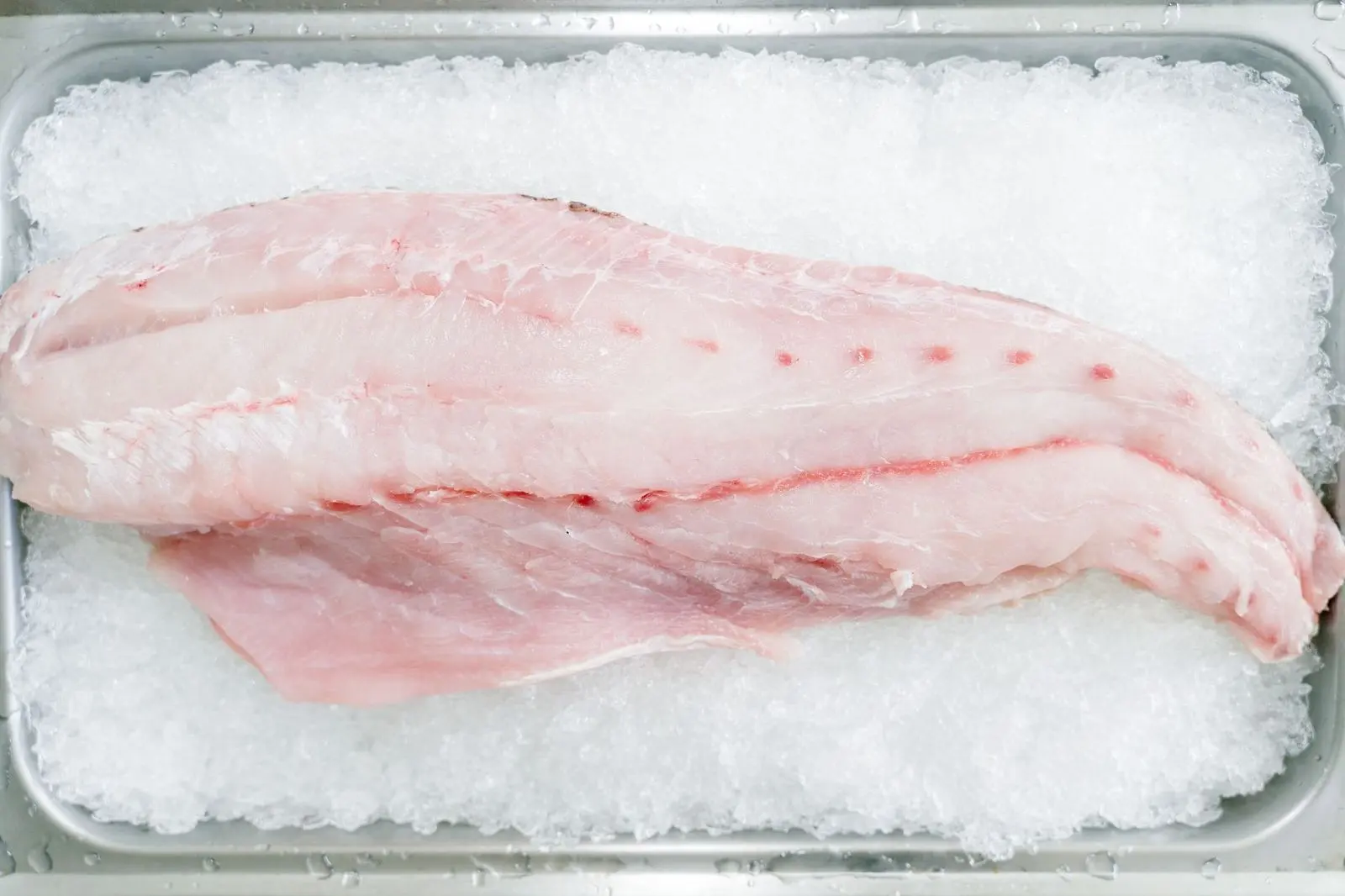
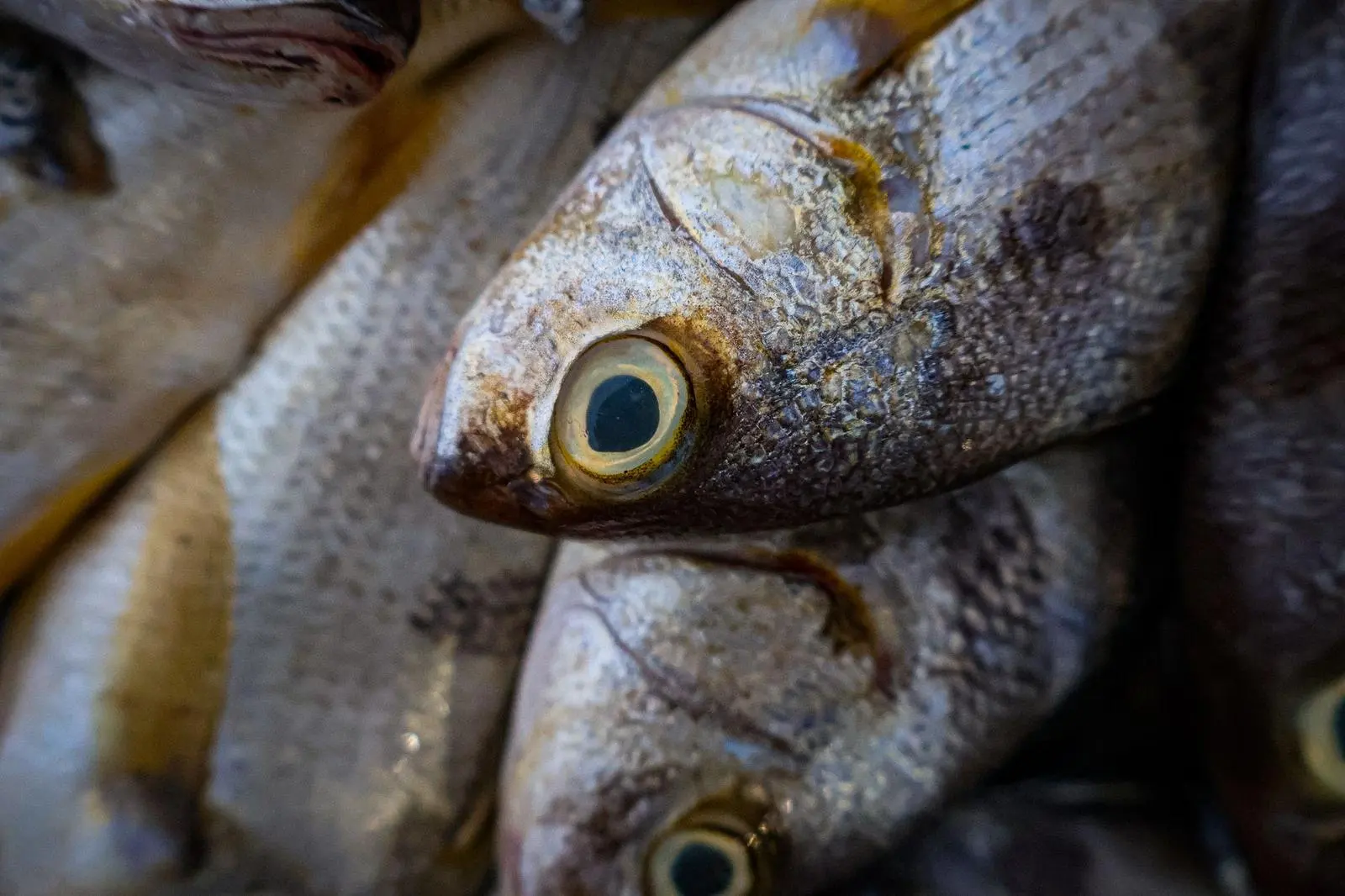
- Whole fish: clear eyes, firm flesh and red gills.
- Fillets: firm and moist.
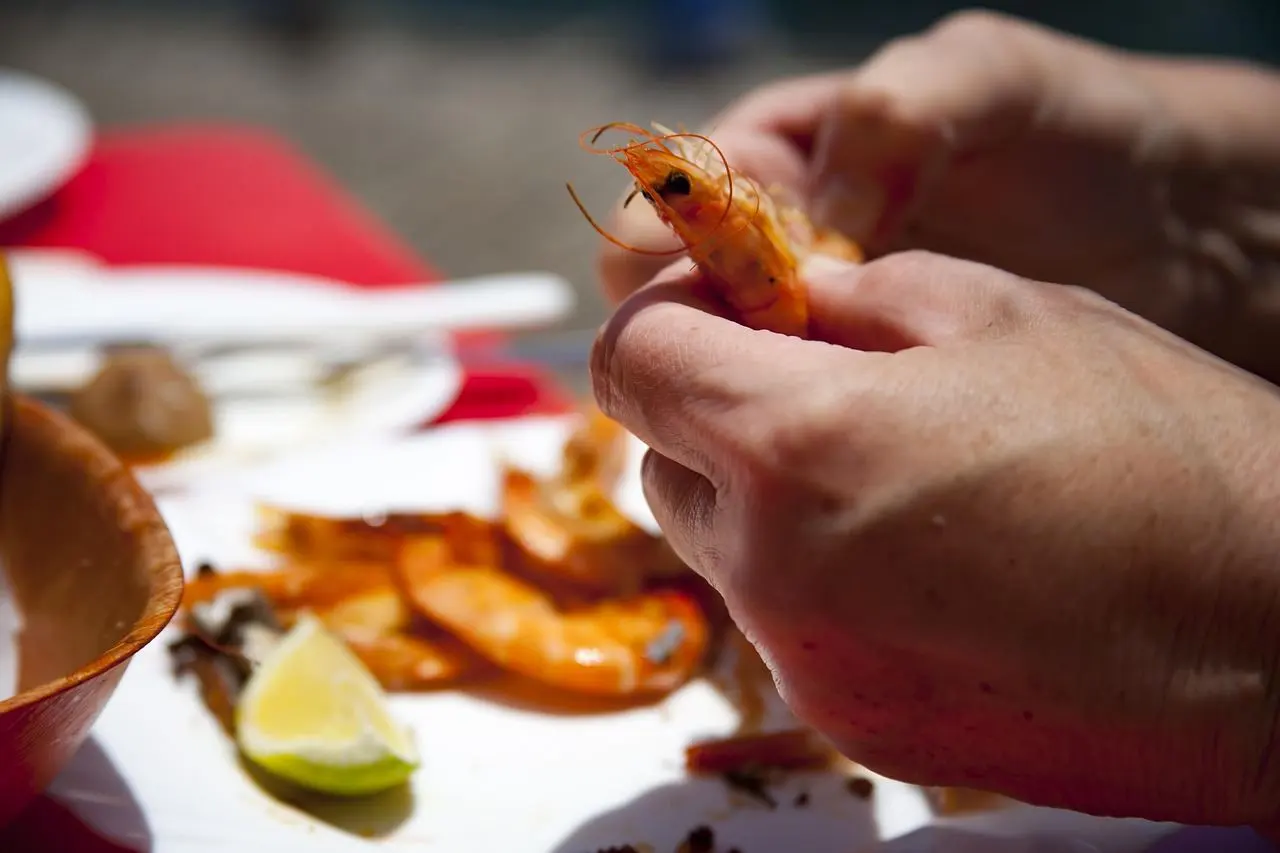
- Shrimp, scallops and lobster: clear, pearly flesh with minimal odor.
Fish sold as previously frozen should still smell mild and fresh. If it does not, treat that as a reason to walk away.
Raw dishes make these choices matter even more. The page on sushi grade fish for ceviche covers that label, and the guide to the best fish for ceviche helps you match a species to the dish.
Choosing shellfish and frozen seafood
Fresh shellfish
Shellfish should come with proper tags or labels confirming that safety standards were met. Choose unbroken shells and skip anything cracked or damaged.
- Clams, oysters and mussels: pick tightly closed shells; a tap should make an open one close.
- Crabs and lobsters: look for active leg movement.
Frozen seafood
Frozen fish and shellfish can be a sound choice when the package tells you the product was kept properly. Look for intact, well-sealed packaging and avoid packs with excessive frost or ice crystals.
The seafood itself should be solidly frozen, firm and unbendable. The guide also mentions modified atmosphere packaging (MAP) as an optional extra for freshness, with details on the label.
Where your seafood comes from
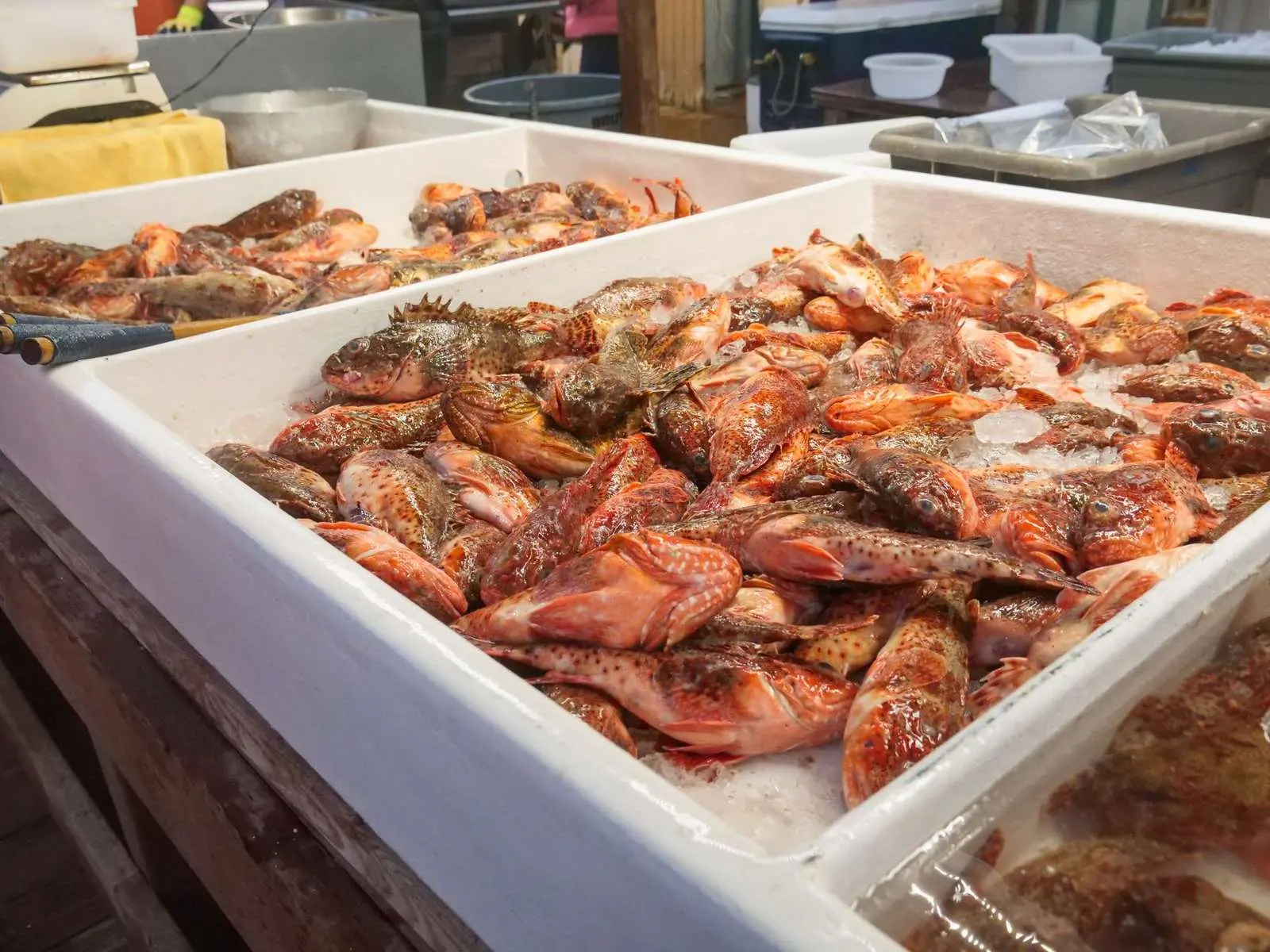
Knowing the source helps you ask better questions at the fish counter. The guide groups seafood sold in the United States into three streams:
- Wild-caught: harvested from oceans, lakes and rivers.
- Farm-raised: grown in ponds (catfish), recirculating tanks (tilapia, hybrid bass) or coastal waters (salmon, shellfish).
- Imports: many farmed and wild products are brought into the country.
Whatever the stream, safety depends on care at every stage of the supply chain. You are the final safeguard through how you store, handle and cook what you bring home.
Safe storage and cooking temperatures
Cold storage is your first line of defense. According to the Extension guide, refrigerate seafood below 40°F, or freeze it at 0°F if you will not use it soon.
For cooking, the same guide says to cook fish to 145°F. With shellfish, the sign of doneness is that the shells open.
The guide boils safe handling down to six habits, which work well as a routine for any seafood cooking session:
- Source safely: buy from trusted suppliers and choose sustainable options.
- Store properly: keep it cold, refrigerated or frozen.
- Cook thoroughly: fish to the right temperature, shellfish until shells open.
- Prevent contamination: keep raw and cooked seafood separate.
- Maintain hygiene: wash hands and sanitize surfaces and utensils.
- Avoid cross-contact: use separate tools for different foods.
Leftovers need the same attention as fresh product. The page on how to store leftover ceviche picks up that topic for raw-style dishes.
Shrimp and marinated dishes
Dishes that rely on acid instead of heat raise their own questions. Readers can explore does lime juice cook fish for the science, and how long to marinate ceviche for timing.
When you would rather use heat, the page on how to cook shrimp for ceviche shows that route.
What risks does seafood carry?
Seafood is perishable, like other fresh foods. The guide names several kinds of hazard, and proper harvesting, handling, storage and preparation matter most for raw or partially cooked seafood.
- Bacteria: Vibrio, Salmonella and Listeria can cause gastrointestinal issues and severe complications, particularly for vulnerable people.
- Viruses: Norovirus and Hepatitis A, often from contaminated shellfish, cause similar symptoms and liver inflammation.
- Parasites: roundworms and tapeworms in raw fish can be eliminated through proper cooking or freezing.
- Natural toxins: ciguatoxin and scombroid can cause gastrointestinal and neurological problems.
Because the hazards differ, no single step removes them all. If you serve fish raw or lightly cured, read is ceviche safe to eat before you plan the menu.
Seafood allergies and cross-contact
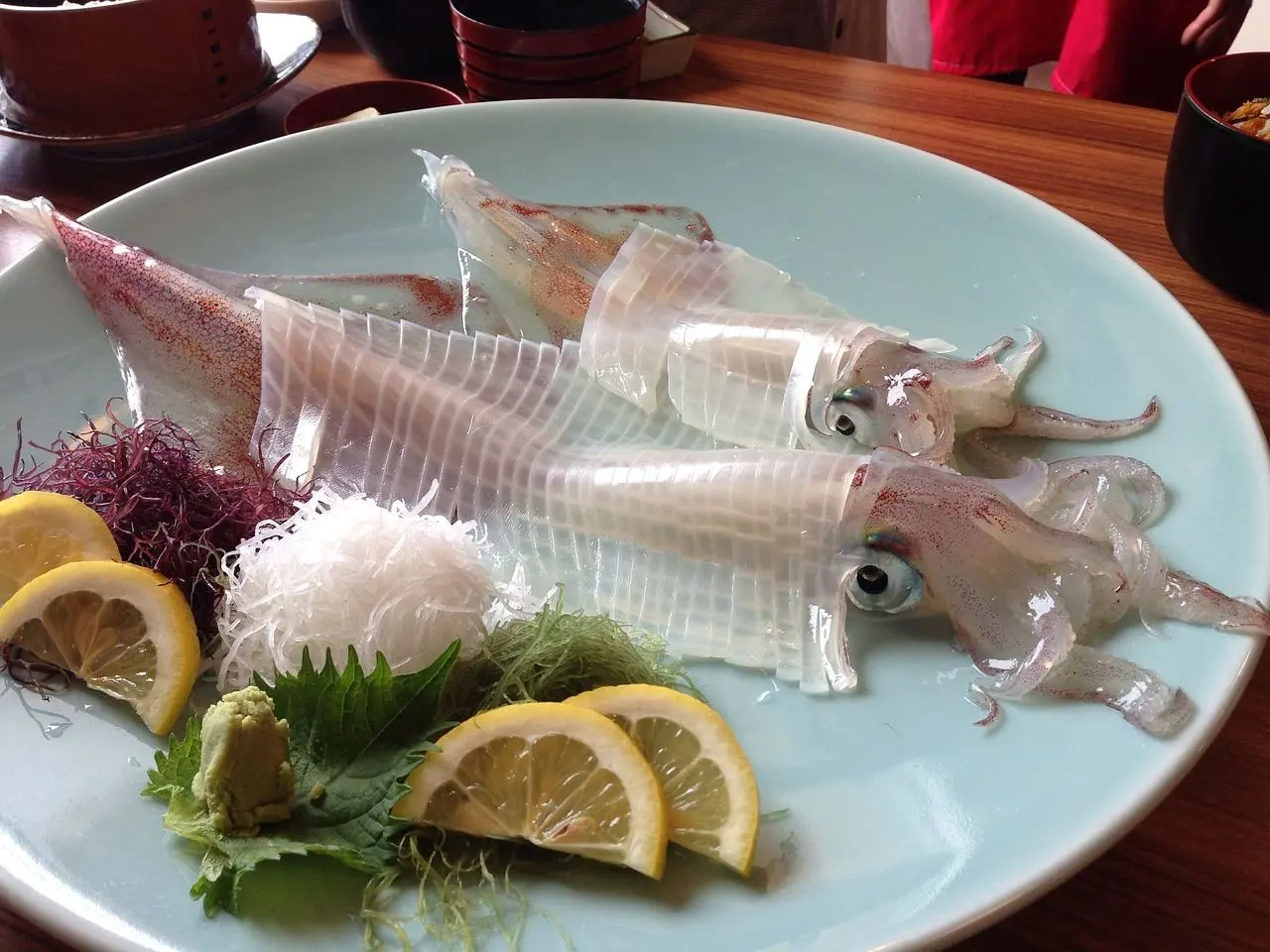
Allergies are separate from infection risk, and they can involve fish, shellfish or both. Shellfish include crustaceans (shrimp, lobster and crab) and mollusks (oysters, clams, scallops, mussels, squid and octopus), while fish includes salmon, tuna, cod, halibut and mackerel.
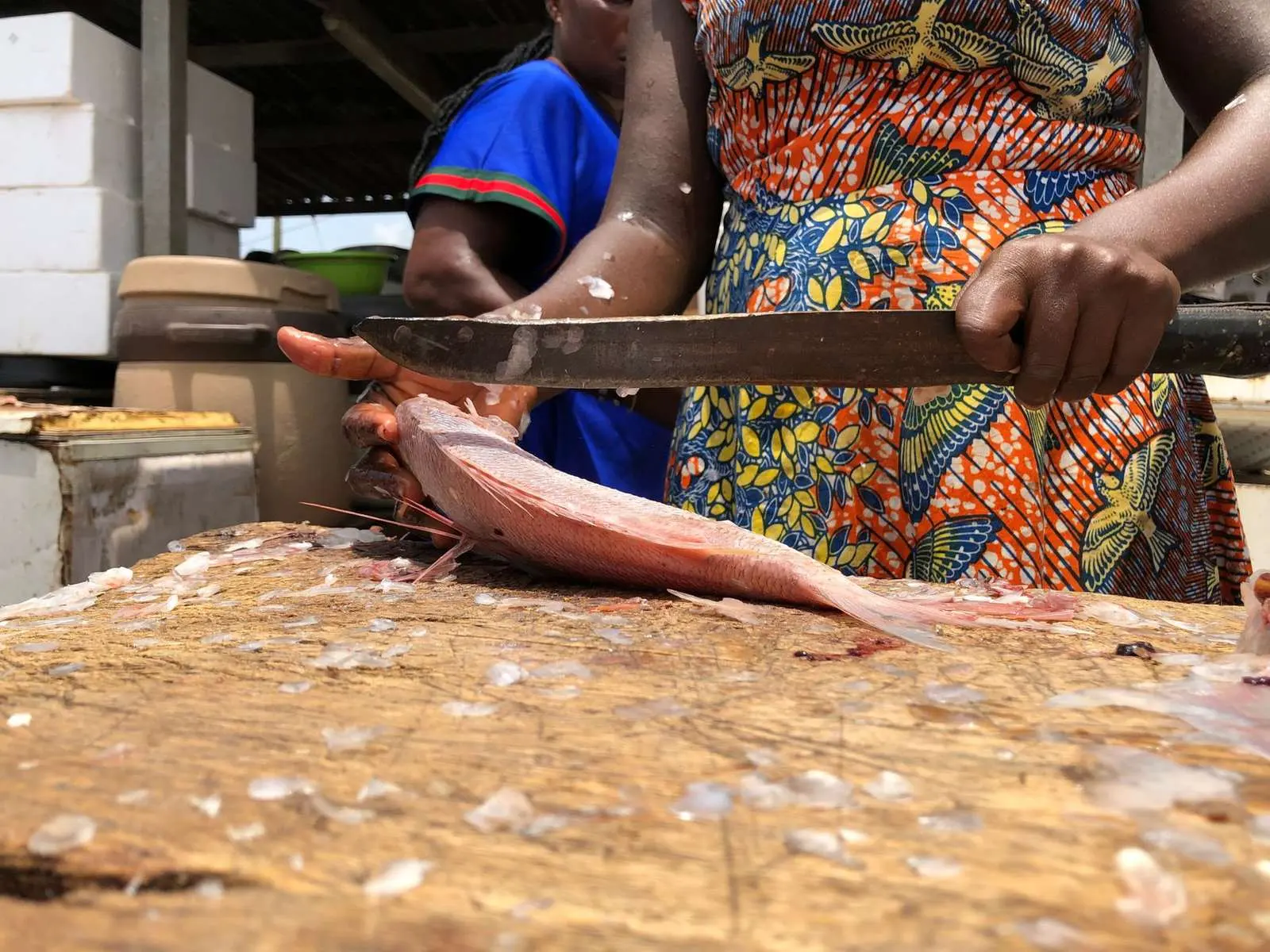
If you suspect an allergy, contact your healthcare provider right away to discuss diagnosis. The surest way to prevent a reaction is avoiding the food and any cross-contact with it, which means reading ingredient labels and keeping tools and surfaces clean during preparation.
People with seafood allergies should carry an epinephrine auto-injector and agree an action plan with their provider. Guests deserve the same warning about ingredients when you cook for a group.
Once the safety basics feel routine, you can move on to technique. Browse the collection of ceviche recipes for hands-on dishes, or read about peruvian cuisine for the culinary background.
Frequently asked questions
What internal temperature should fish reach?
Show answer
The University of Maine Extension guide gives 145°F as the target for cooked fish.
How do I know live clams or mussels are fine to cook?
Show answer
Pick ones whose shells are shut tight, or that close when you tap them. A shell that stays gaping after a tap is a sign to leave it out.
Does freezing make raw fish completely safe?
Show answer
Freezing deals with parasites such as roundworms and tapeworms. The guide lists bacteria, viruses and natural toxins as separate hazards, so freezing alone is not a full answer.
Which seafood causes allergic reactions?
Show answer
Both finfish and shellfish can. Shrimp, crab, lobster, oysters and squid fall under shellfish, and salmon, tuna and cod are among the fish.