Wondering where to start with Peruvian cuisine? Start with ceviche: raw fish marinated in citrus, chili and salt, served with local produce. This guide walks you through its roots, regional styles and the dishes that sit beside it.
| Item | Value |
|---|---|
| UNESCO recognition of ceviche | December 2023 |
| Peru’s national heritage declaration | 2004 |
| Annual day in honor of ceviche | June 28th |
| First documented use of the word ceviche | 1820 |
| Modern marinade time | about 45 minutes |
| Modern style developed | 1970s |
These figures come from Wikipedia’s Peruvian ceviche entry and its Ceviche entry (for the 1820 date). Dates and details can change, so check the source before you rely on them.
What makes ceviche the heart of Peruvian cuisine
UNESCO describes ceviche as a traditional dish in Peru prepared with raw fish marinated in lemon, seasoned with chili pepper and salt and accompanied with locally grown produce, in its Representative List entry. That one definition captures the logic of the cuisine: a fresh catch, a sharp acid, heat from chili and produce grown nearby.
The dish is not saved for special days. According to the same listing, people eat it daily as well as at festivities, and it is tied to the festivity of Saint Peter, patron saint of artisanal fishers.
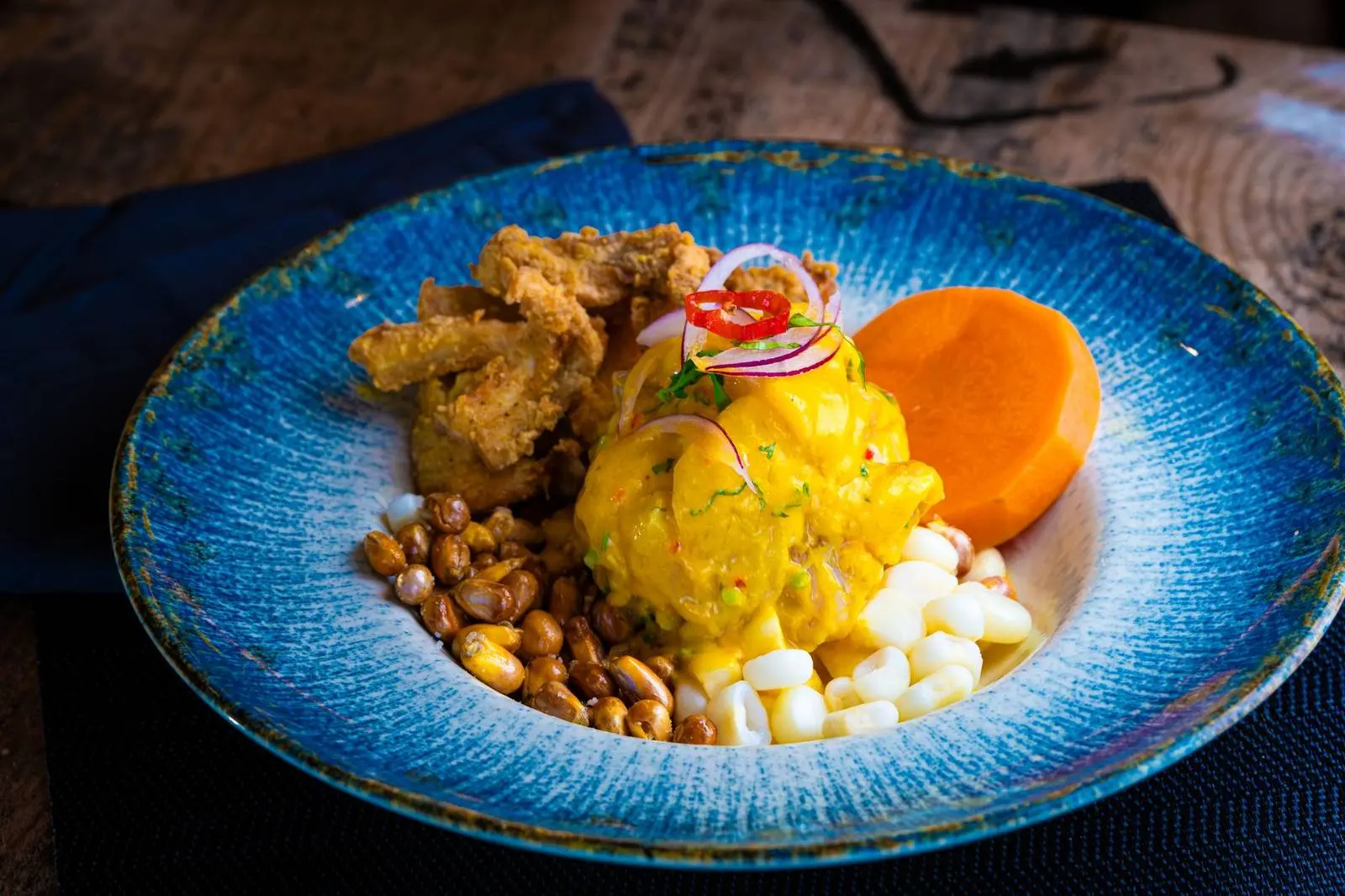
You can make ceviche at home or buy it in a cevichería, where the work of traditional female cooks stands out. The knowledge is generally passed on within families, and training programmes can add to it, for instance to support the proper management of natural resources.
Recognition has followed. Peru declared ceviche part of its “national heritage” in 2004, and Wikipedia notes a holiday in its honor every June 28th. Wikipedia dates UNESCO’s recognition to December 2023, and the committee decision records Peru’s nomination for the Representative List.
The roots of ceviche: what history can and cannot tell us
The honest answer is that the origin is unsettled. Wikipedia says very little is known about it, with some references pointing to a mix of European and Andean cuisine. Our origin of ceviche page compares the main theories in more detail.
The same entry lists several proposals for how early coastal cooks preserved fish:
- Indigenous communities may have used the extract of a passion fruit called tumbo to preserve plentiful seafood along the Pacific coast.
- Other scholars theorize that saltwater, seaweed and hot peppers might have been used instead.
- Others say Incas used herbs or chicha to preserve fish.
Lemon and lime are a later chapter. According to Wikipedia’s Ceviche entry, ancient Andean coastal inhabitants used juices from native plants such as the banana passionfruit before citrus reached the Andean region during the 16th century.
The word has its own puzzle. The same entry gives 1820 as the first documented use of the term, in the patriotic song “La Chicha”. One hypothesis traces it to the Quechua word siwichi, meaning fresh fish, and spellings vary between cebiche, ceviche, seviche and sebiche.
Classic ceviche and how it differs by region
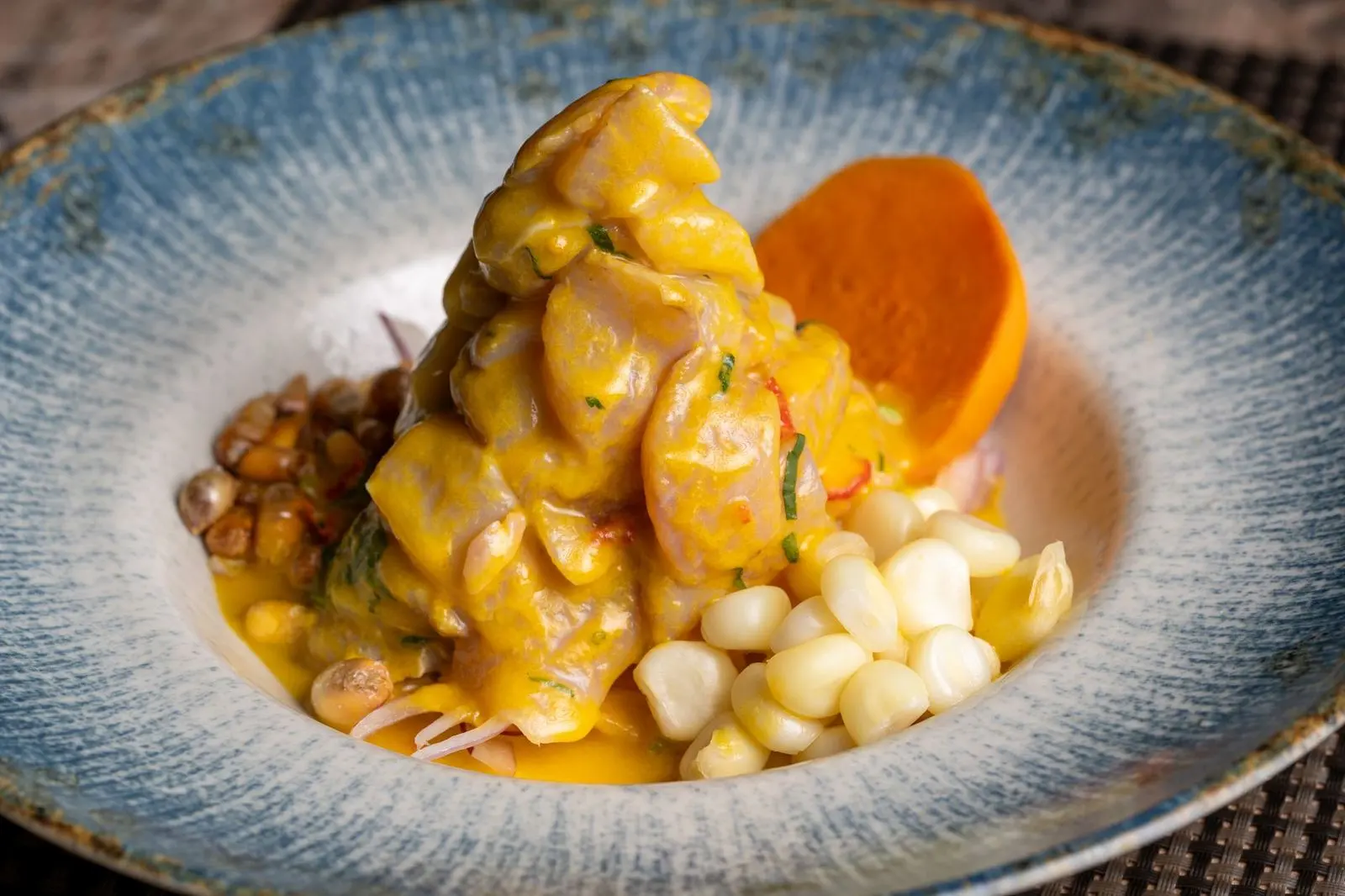
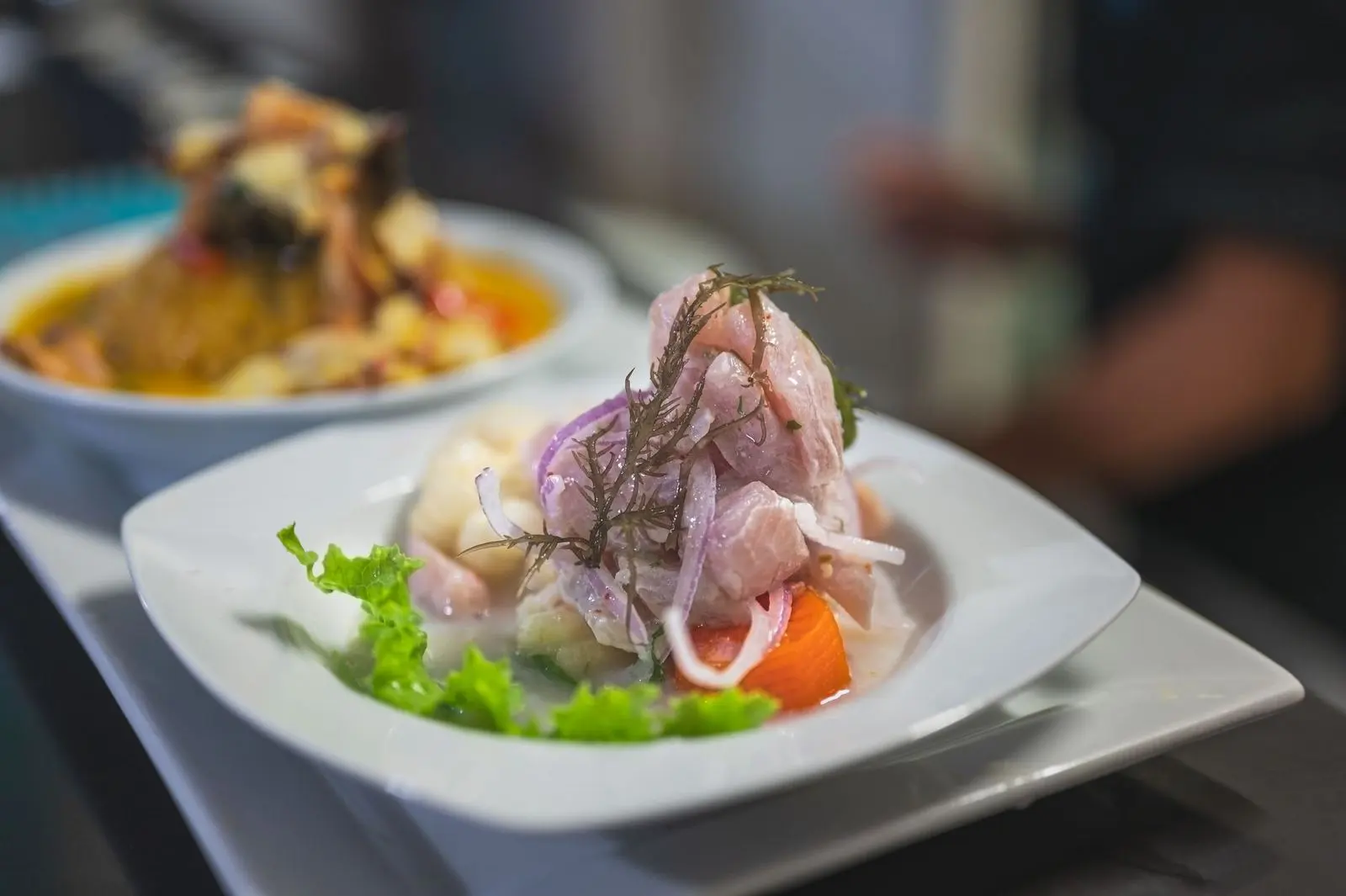
Wikipedia describes the classic Peruvian ceviche as chunks of raw fish marinated in freshly squeezed key lime or bitter orange juice, with sliced onions, chili peppers, salt and pepper. Corvina, a sea bass, was the fish traditionally used.
On the plate, that fish came with chunks of corn-on-the-cob and slices of cooked sweet potato. Regional cooks then adapt the formula to what their coast and fields provide.
The Peruvian ceviche entry gives these examples of local and contemporary variation:
- Trujillo has a specialty made from shark, known as tollo or tojo.
- Lenguado, or sole, is often used in Lima.
- Additions include garlic, fish bone broth, minced ají limo, the Andean chili rocoto, toasted corn or cancha, and yuyo seaweed.
The ingredients that define these variations are chosen according to the natural features of the landscape, and most are local products grown or found within the region. UNESCO adds that because recipes vary from one region to the next, the dish strengthens regional cultural identity, as noted on its element page.
Chili is central to all of it. If you want to cook with a Peruvian chili base, our guide to aji amarillo paste shows one way to prepare it.
Does citrus actually cook the fish?
Not in the way heat does. Wikipedia explains that, unlike Japanese sashimi, which is served unaltered, ceviche seafood is marinated in fresh citrus juice. The citric acid denatures the protein molecules, so the flesh turns opaque and firm.
That change mimics the look and texture of heat-cooked fish, but the same entry stresses that the seafood remains structurally raw. Acid marination does not preserve the fish or kill pathogens the way true heat-cooking or curing does.
Marinade length is where styles part ways, and the Peruvian ceviche entry describes three approaches:
- The traditional method marinated the fish for several hours and served it at room temperature (source).
- The modern version marinates for about 45 minutes and is served promptly (source).
- Some elite restaurants use a rapid citrus bath of only five minutes (source).
The modern style resembles the method used for Japanese sashimi, and it was developed in the 1970s by Peruvian-Japanese chefs including Dario Matsufuji and Humberto Sato, per the same entry. That entry also cites experts who suggest a minimum of 15 minutes, yet the Ceviche entry says acid does not kill pathogens. Because the two do not agree, do not count on the clock to make raw fish safe, and check your local food-safety guidance.
Leche de tigre and the dishes around ceviche
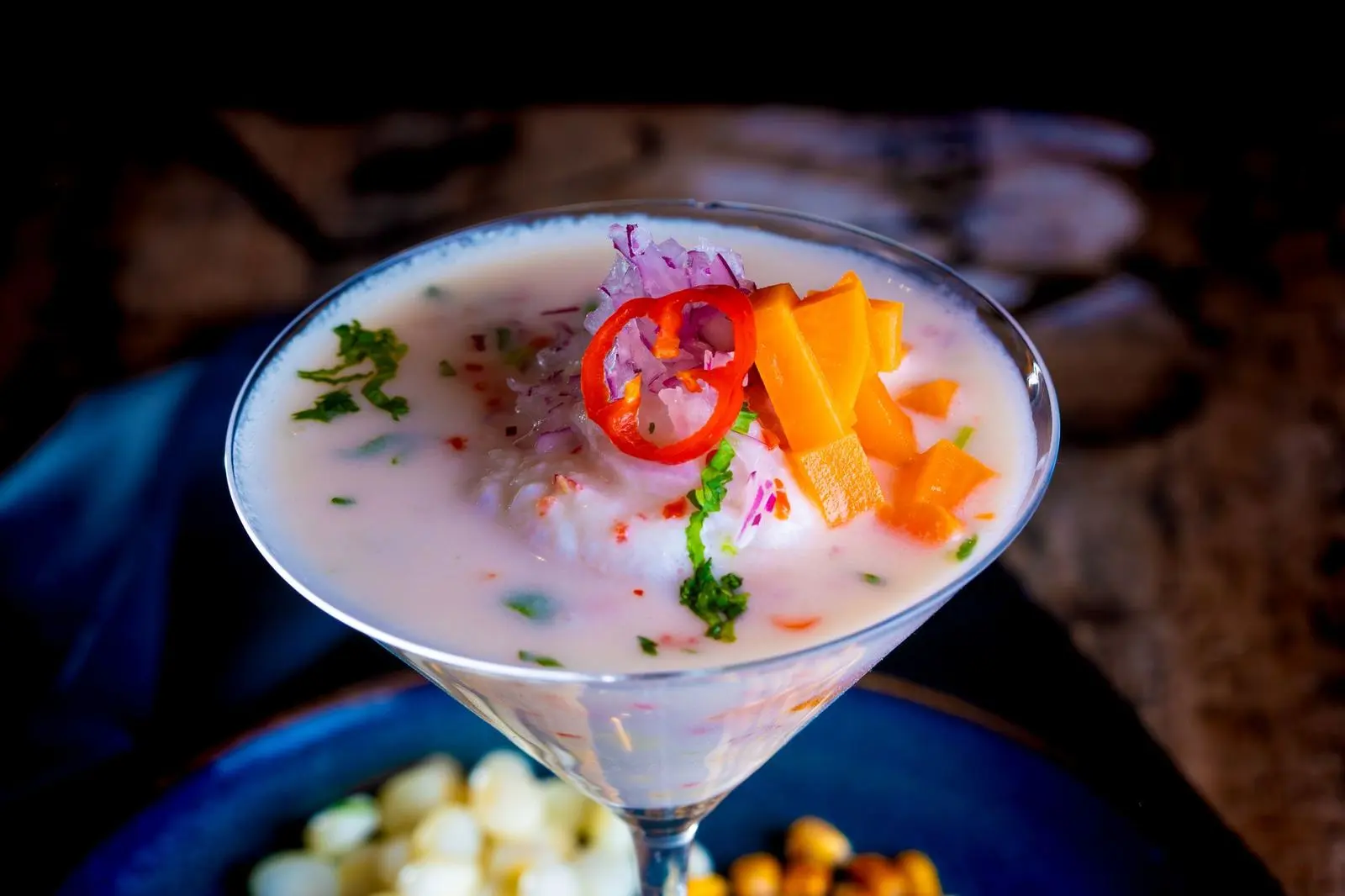
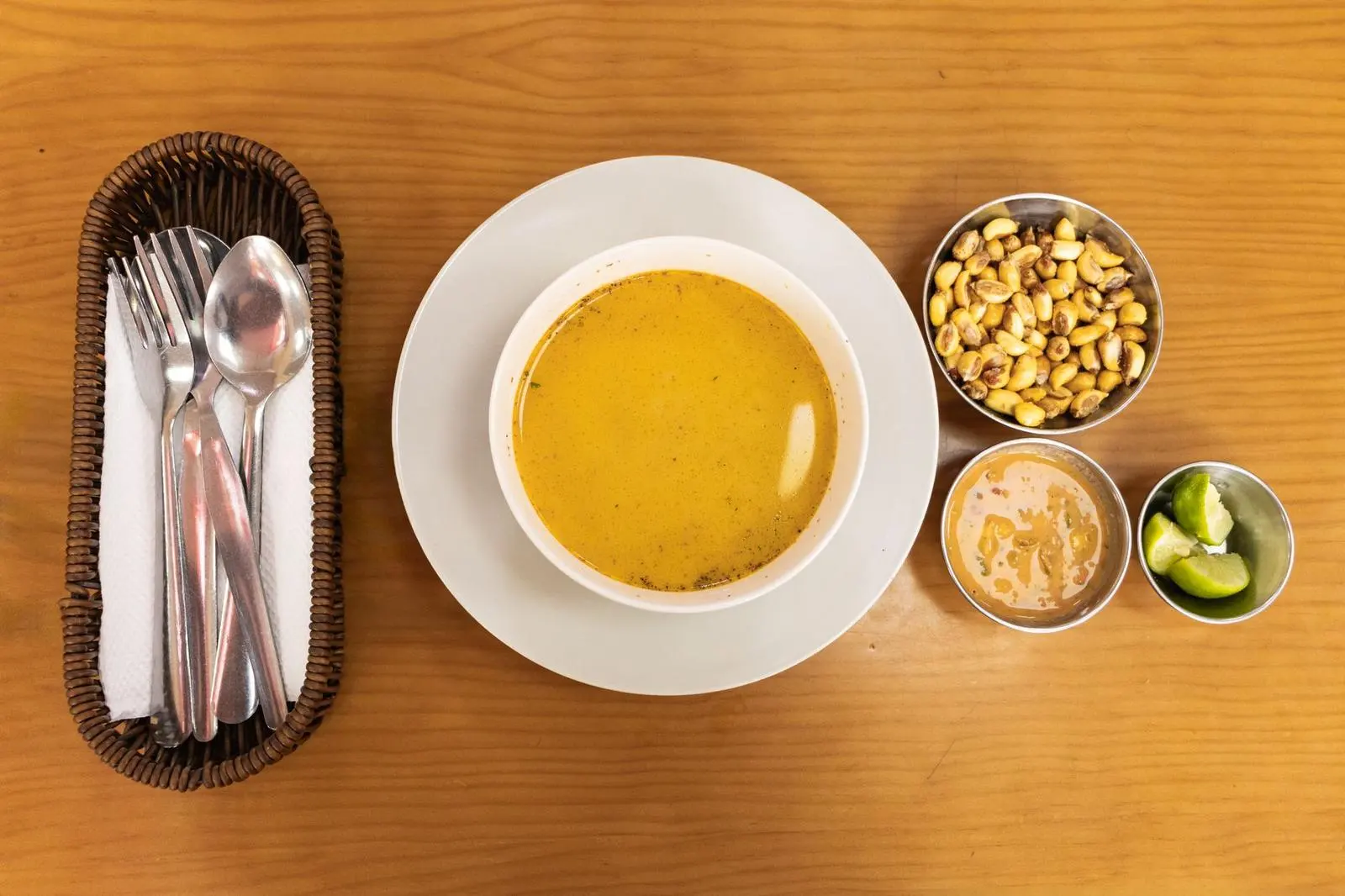
Most Peruvian cevicherías serve a small glass of marinade with the fish, called leche de tigre or leche de pantera, meaning “tiger’s milk” or “panther’s milk”. Wikipedia describes it as a milky white, finely blended and strained mix of lime juice, raw fish, red onion, garlic, cilantro stems, celery and ginger. Our leche de tigre recipe shows how to make it at home.
The same entry says this appetizer sets Peruvian ceviche apart from other styles in Latin America. It adds that ceviche is made and eaten all year but served mostly in summer, because of its refreshing and cold taste.
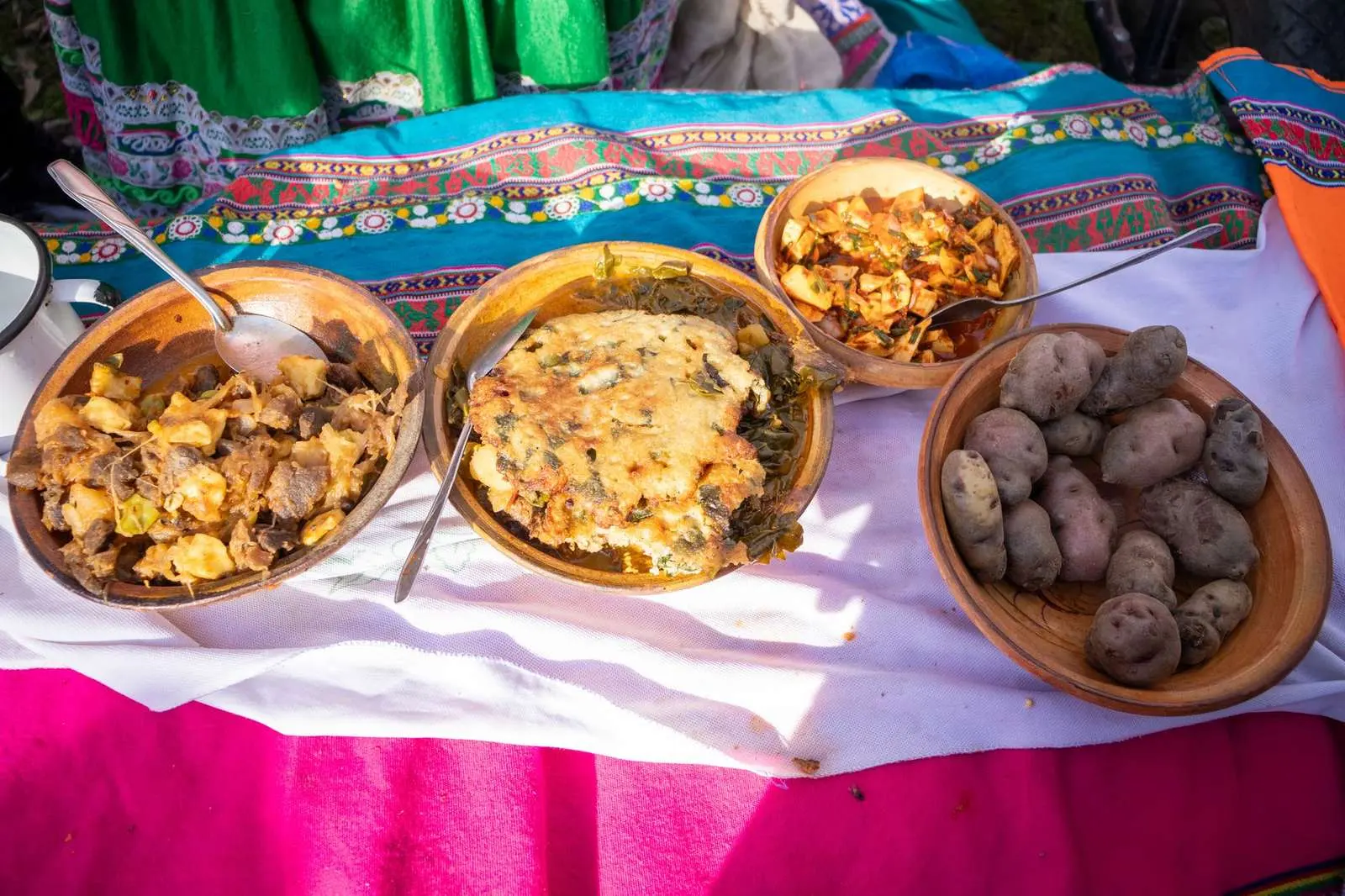
As a main dish, ceviche usually comes with starchy sides meant to balance its acidity, according to Wikipedia’s Ceviche entry. Examples there include sweet potato, lettuce, maize, avocado and fried plantains. Our guide on what to serve with ceviche builds full menus from ideas like these.
A few more recipes sit naturally beside the main plate:
- For a neighbouring raw-fish dish, see our tiradito recipe.
- For a cold starter to go with it, try our causa limena recipe.
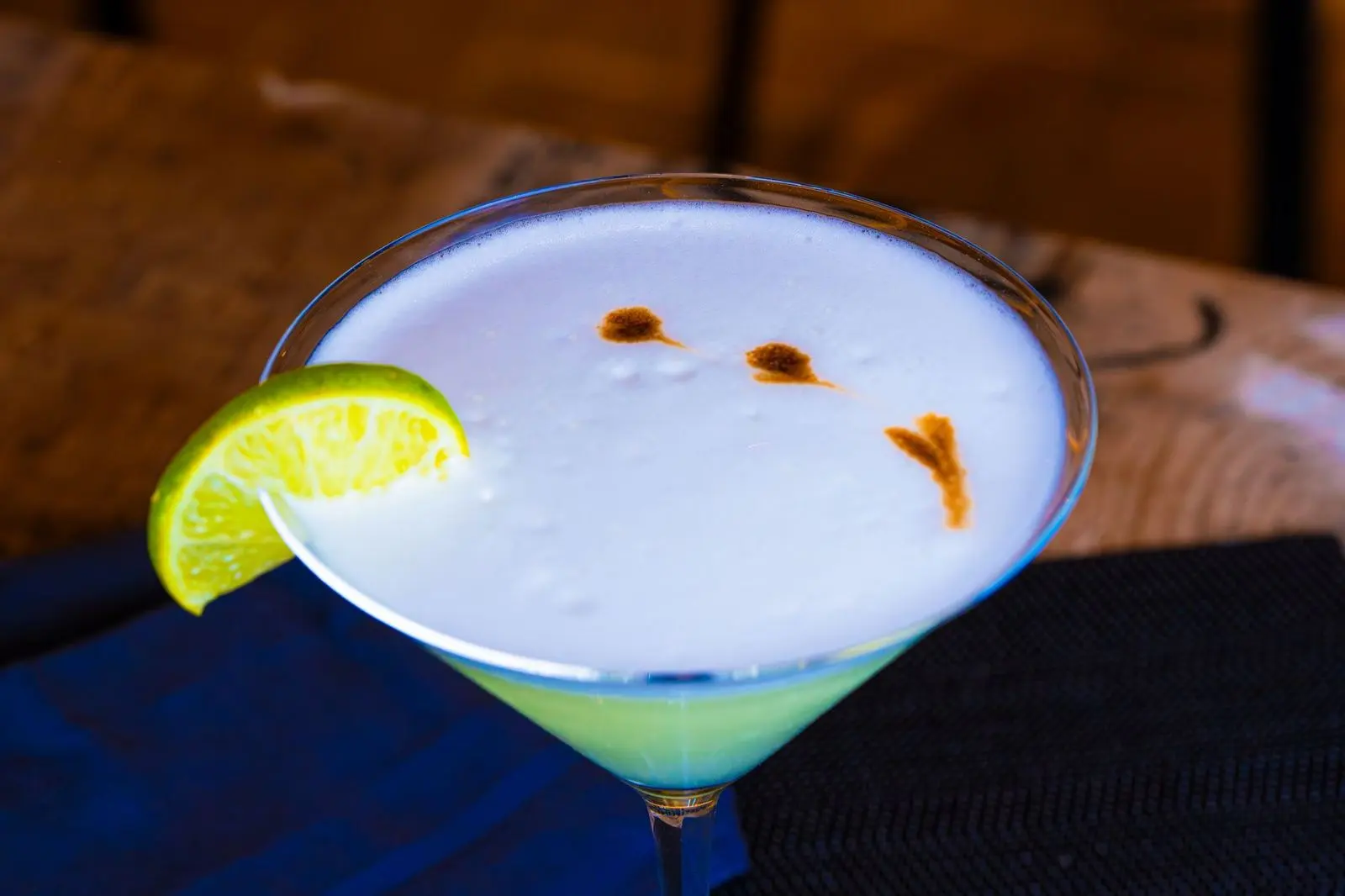
- For a drink to finish the meal, mix our pisco sour recipe.
Buying fish well and where to go next
Popularity has a cost. Wikipedia reports that because ceviche has become a luxury, some restaurants resort to seafood fraud, selling less valuable species labeled as species of greater value, and threatened species have been found among the substitutes. Ask sellers to name the species they sell, and prefer those who do.
To start cooking, browse our ceviche recipes for step-by-step dishes. Our seafood cooking section widens the view to other ways of preparing fish and shellfish.
Frequently asked questions
What goes into a traditional Peruvian ceviche?
Show answer
The core is raw fish, lime or bitter orange juice, onion, chili and salt. Corn and sweet potato traditionally come alongside, as the Peruvian ceviche entry explains.
Is ceviche the national dish of Peru?
Show answer
Wikipedia’s Ceviche entry calls it the national dish of Peru. A 2004 heritage declaration and UNESCO’s December 2023 listing, both covered by the Peruvian ceviche entry, back that status.
Is ceviche safe because the lime “cooks” it?
Show answer
No. Citrus changes how the flesh looks and feels, yet the Ceviche entry says the fish stays raw and that acid will not neutralize pathogens as heat does. Buy very fresh fish and follow local food-safety advice.
Who invented ceviche?
Show answer
Nobody can say for certain. Theories include Indigenous preservation methods, Inca herbs or chicha, Mochica cooks, and European or Andean blends, and the Wikipedia entry states that very little is known.