Worried that lime juice alone won’t make your shrimp safe? Here’s how to cook shrimp for ceviche: briefly poach it first, chill it, then marinate for flavor. Heat is the reliable step; the acid mostly adds taste and texture.
This guide sits within the seafood cooking section of the site, which covers raw and lightly cooked seafood more broadly.
| Item | Value |
|---|---|
| Salmonella in lime-marinated fish at room temperature (25°C) | Mean log reduction of 0.8 |
| Salmonella in lime-marinated fish at refrigeration temperature (4°C) | Mean log reduction of 2.1 |
| Vibrio parahaemolyticus at room temperature (25°C) | Above 4.5 to above 5.2 log reductions |
| FDA-recommended internal temperature for most seafood | 145 degrees Fahrenheit |
| Longest marination time tested in the study | 150 minutes |
The figures come from a Rutgers University master’s thesis on lime-marinated fish and a March 2025 report from The Takeout. Figures can change, so check the sources before you rely on them.
Why lime juice alone does not cook shrimp
Citrus acid denatures the proteins in shrimp, which gives it an opaque look and a firmer bite. According to The Takeout’s March 2025 article, the marinade’s antimicrobial properties are not as strong or reliable as cooking with heat.
That gap matters because nothing in a traditional ceviche is heated. The Rutgers thesis points out that lime juice is the sole means of controlling risk in ceviche recipes across the world, and it records confirmed cases of cholera in Peru, New Jersey and Florida associated with the dish (Rutgers University).
As of The Takeout’s March 2025 report, the FDA recommends cooking most seafood to an internal temperature of 145 degrees Fahrenheit, and a lime soak is not the same thing. The safest bet it describes is to treat any seafood not fully cooked with heat as a raw dish (The Takeout).
What the lab data shows about lime and bacteria
The Rutgers thesis tested lime juice marination on fish, noting that ceviche in the USA is most commonly made with tilapia. Samples were held at room temperature (25°C) and refrigeration temperature (4°C) for up to 150 minutes (Rutgers University).
The results differed a lot by bacterium:
- Salmonella: a mean log reduction of 0.8 at 25°C and 2.1 at 4°C.
- Vibrio parahaemolyticus at 25°C: log reductions from above 4.5 to above 5.2.
- Vibrio parahaemolyticus at 4°C: log reductions from above 3.5 to above 4.3.
The author concluded that preparing ceviche reduces Vibrio risk significantly but is less effective against Salmonella. Lime juice tested without any fish produced more than 5 log reductions on both bacteria (Rutgers University).
One limit is worth keeping in mind: this work used fish, not shrimp. Read it as a picture of how a lime marinade behaves, not as a safety guarantee for any particular batch of shrimp.
Poach first: the safest way to cook shrimp for ceviche
The Takeout suggests lightly poaching or boiling shrimp before soaking it in the marinade as an added safety measure. It calls this not the most traditional method, but still delicious (The Takeout).
A simple version looks like this:
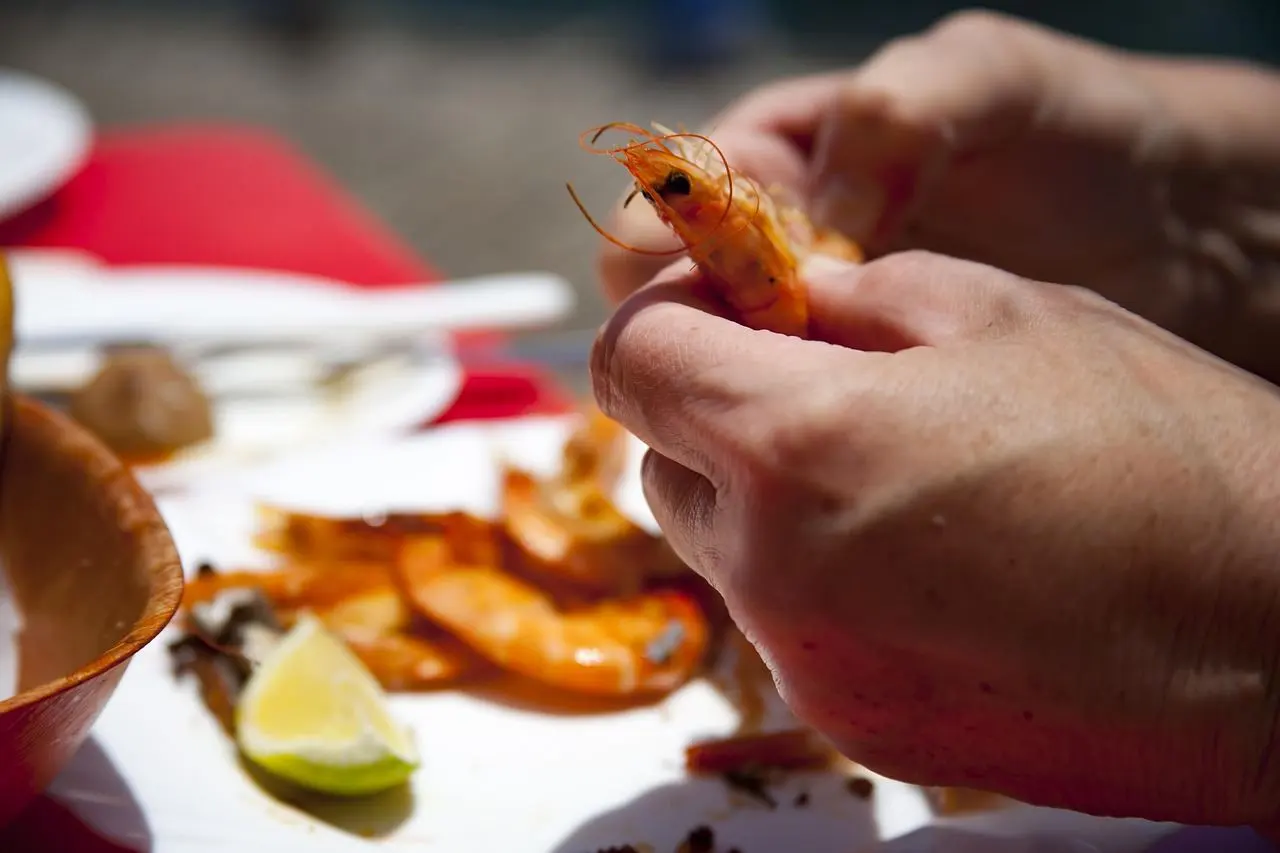
- Start with fresh shrimp, peeled and deveined however you like.
- Bring a pot of salted water to a gentle simmer.
- Poach the shrimp just until they turn opaque and pink. Lift them out a touch early, because the acid will keep firming them later.
- Move them straight into ice water to stop the cooking, then drain and pat dry.
- Chill the shrimp, then toss with lime juice, salt, onion, cilantro and chili.
- Rest the bowl in the refrigerator briefly and serve cold.
The shrimp still pick up the bright, sour marinade, so you keep the character of ceviche while taking the raw-seafood question off the table.
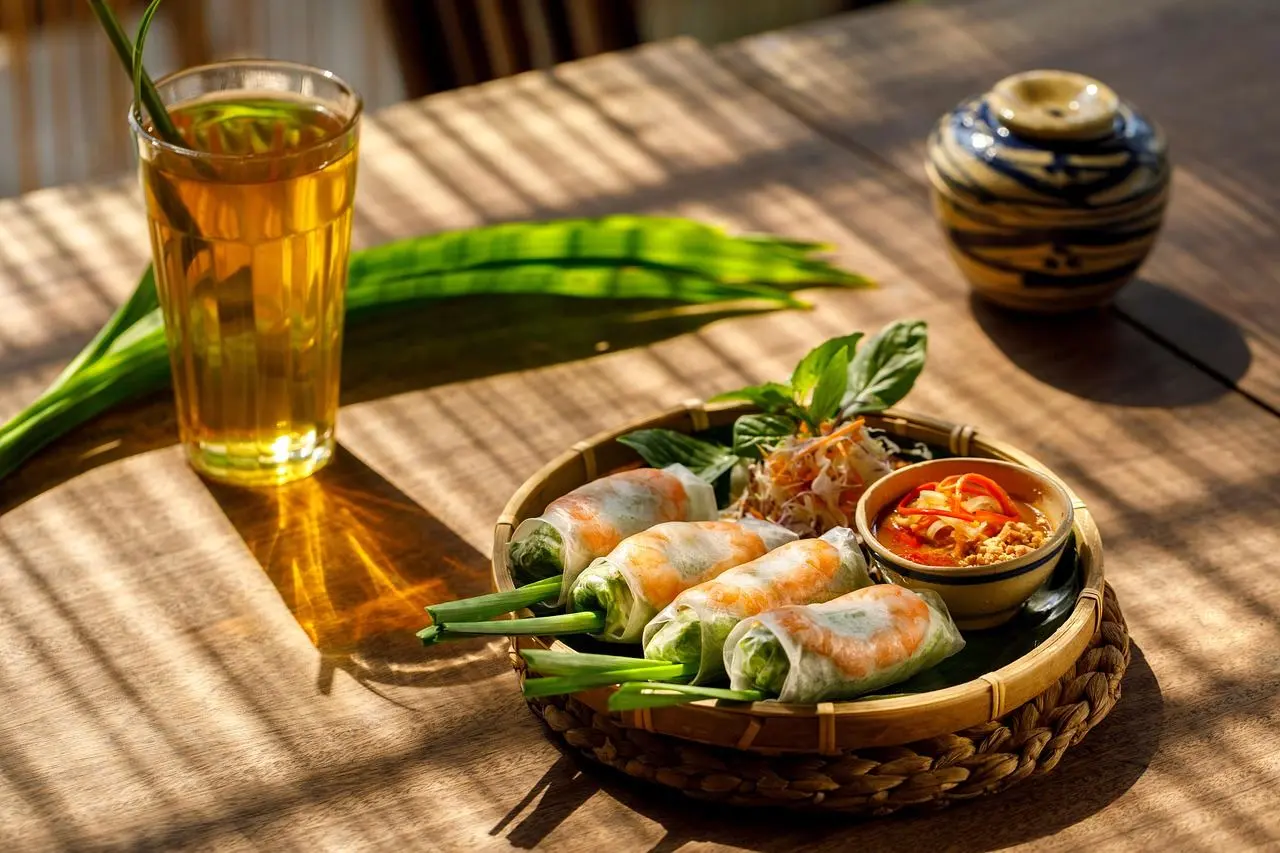
Can you marinate raw shrimp instead?
Yes, and that is the classic route: the acid turns the shrimp opaque and firmer. The catch, per The Takeout, is that the marinade cannot fully cook shellfish according to food safety guidelines, so you are accepting the risk of a raw dish (The Takeout).
Its rule of thumb is simple: if you wouldn’t be comfortable eating that shrimp raw, you probably shouldn’t eat it in ceviche. If you go this way, keep everything cold. In the Rutgers experiments, the refrigerated samples did better against Salmonella than the room-temperature ones.
Aguachile is a related but separate dish. The Takeout’s February 2025 piece describes it as a traditional Mexican dish made with raw shrimp that is often compared to ceviche but is actually completely different and packs major spice (The Takeout).
Choosing shrimp and other seafood for ceviche
Freshness is the first filter. As of The Takeout’s March 2025 report, the FDA recommends shrimp with clear, pearly flesh and little or no smell (The Takeout).
If you want to branch out beyond shrimp, here are the points the sources raise:
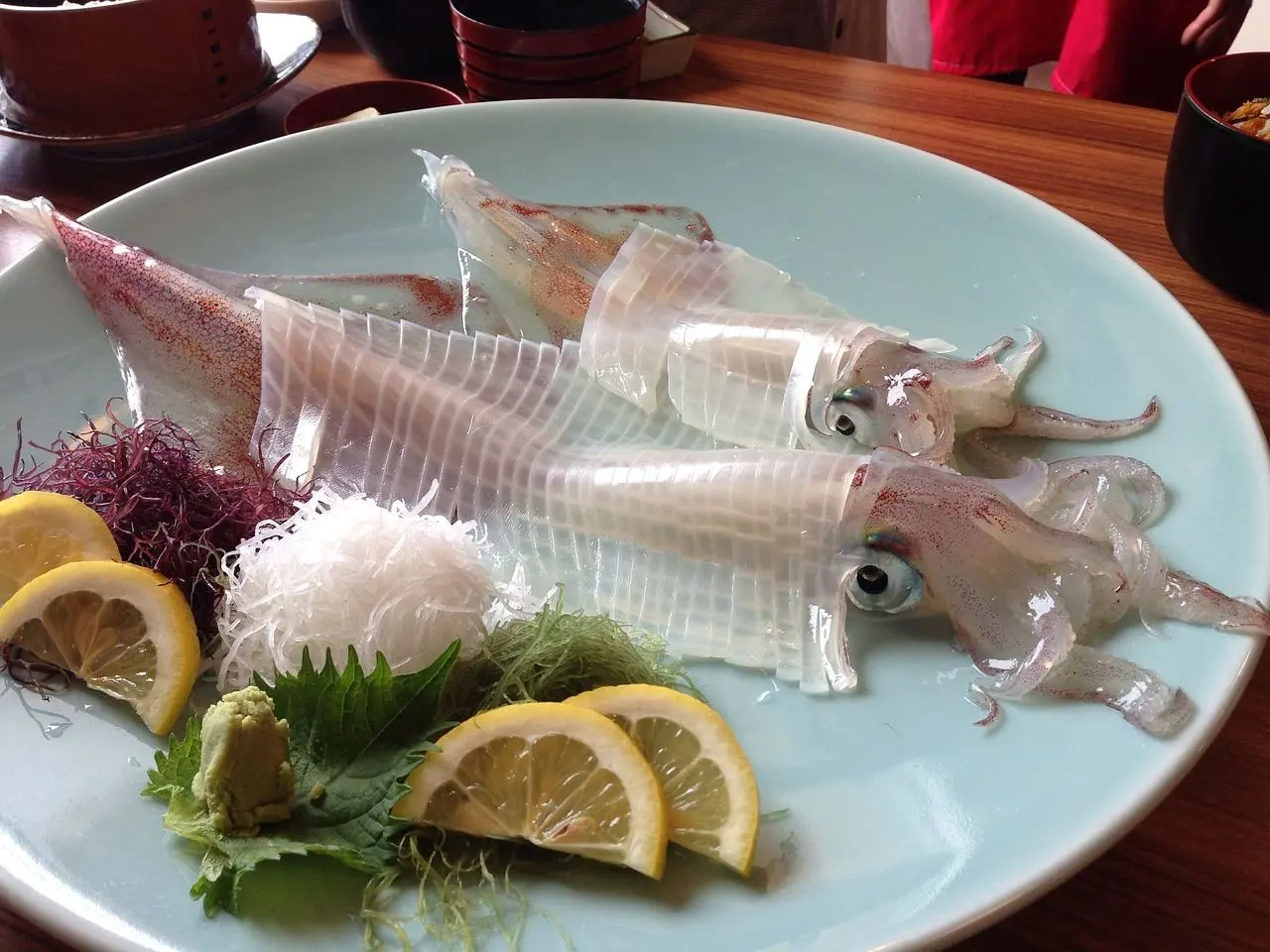
- Shellfish: shrimp, scallops and squid are all popular in ceviche.
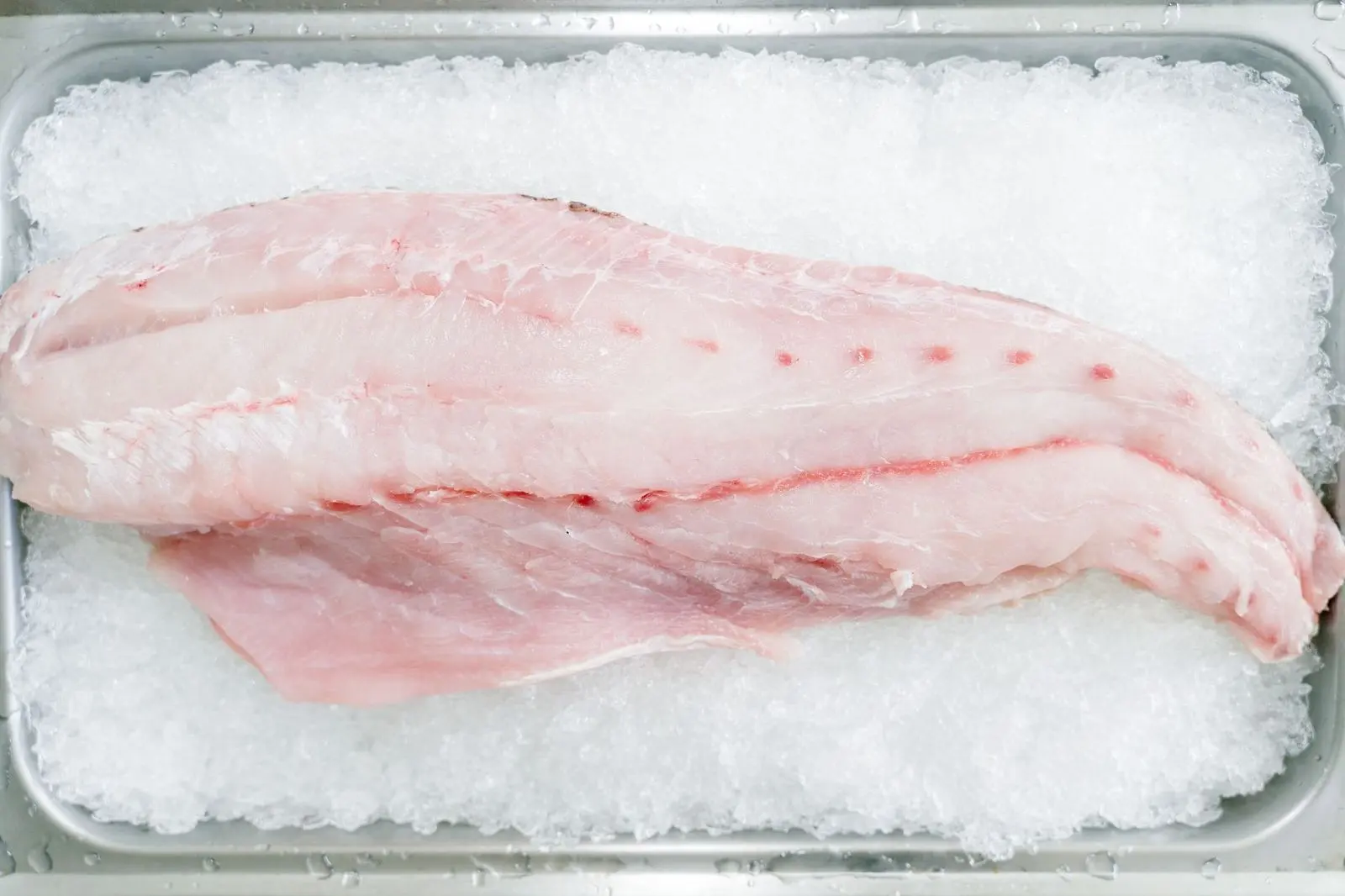
- Fish: chef Jorge Guzmán favors saltwater fish with firm, white flesh, and buys sushi-grade or flash-frozen fish because freezing helps kill parasites.
- Species to skip: cod and salmon can carry parasitic worms, so they are not a great choice.
Those points come from The Takeout’s February 2025 article (The Takeout). Our guide to sushi grade fish for ceviche explains what that label does and does not tell you, and the page on the best fish for ceviche compares fish options.
Frequently asked questions
Does lime juice really cook shrimp?
Show answer
It changes how shrimp looks and feels, but it does not do the job of a pot of hot water. Anything not cooked with heat is best handled as raw seafood.
Should I poach shrimp before making ceviche?
Show answer
If raw seafood makes you nervous, a light poach or boil beforehand is a practical option, and the shrimp will still absorb the citrus and herbs.
Is frozen shrimp fine for ceviche?
Show answer
Flash-frozen seafood is a common choice, and chef Guzmán says flash-freezing helps kill parasites. Whatever you buy, it should still look clear and pearly and smell of little or nothing.
How long should shrimp sit in the marinade?
Show answer
The sources here give no single safe time. Poached shrimp need only a short soak for flavor, and the Rutgers tests, which covered up to 150 minutes, used raw fish, so they are not a timer for shrimp.