Standing at the fish counter and unsure what to buy? The best fish for ceviche is one that was frozen to kill parasites, or a farm-raised fish fed formulated feed. Here is how to check.
This guide sits within the seafood cooking section of the site.
| Item | Value |
|---|---|
| Freezing method A | -4°F or below for a minimum of 168 hours (seven days) |
| Freezing method B | -31°F or below until solid, held at -31°F or below for a minimum of 15 hours |
| Freezing method C | -31°F or below until solid, held at -4°F or below for a minimum of 24 hours |
| Establishment freezing records kept | 90 days beyond the time of service or sale |
| Health district page last updated | June 28, 2019 |
These figures come from the Southern Nevada Health District parasite destruction page. Rules can change, so check the source before you rely on them.
Why parasites decide the best fish for ceviche
All living organisms, including fish, can carry parasites, and they occur naturally rather than because of contamination. The health district says they become a concern when people eat raw, undercooked or lightly preserved fish, and it names ceviche among its examples.
Cooking kills parasites, so thoroughly cooked fish is not a worry on this front. Ceviche belongs to the lightly preserved group, which is why the way your fish was handled matters more than any single species name.
That changes the shopping question. Instead of hunting for one magic species, look for fish that went through an approved freezing step or that qualifies for an exemption.
Which freezing methods count as parasite destruction?
As of the health district’s page updated June 28, 2019, fish served raw or partially cooked must be frozen to destroy parasites unless it is on the exempt list. The page ties this to the 2023 Food Regulations and describes three accepted time and temperature methods:
- Freeze solid and hold at -4°F or below for at least 168 hours, which is seven days (health district page).
- Freeze at -31°F or below until solid, then hold at -31°F or below for at least 15 hours (health district page).
- Freeze at -31°F or below until solid, then hold at -4°F or below for at least 24 hours (health district page).
The colder the freezer, the shorter the hold: the -31°F methods ask for hours, while the -4°F method asks for days. Compare your own freezer’s thermometer reading with these figures before you trust it.
These rules are written for food establishments in Southern Nevada. For a home kitchen, treat them as a benchmark rather than a legal requirement.
Fish that skip the freezing step
The exemption list is short. According to the health district, it covers these items:
- Molluscan shellstock.
- A scallop product made only of the shucked adductor muscle.
- Tuna of the Thunnus species named on the list, including yellowfin, bigeye and bluefin (northern and southern).
- Farm-raised fish that have been fed formulated feed (pellets), with documentation.
- Fish eggs that have been removed from the skein and rinsed.
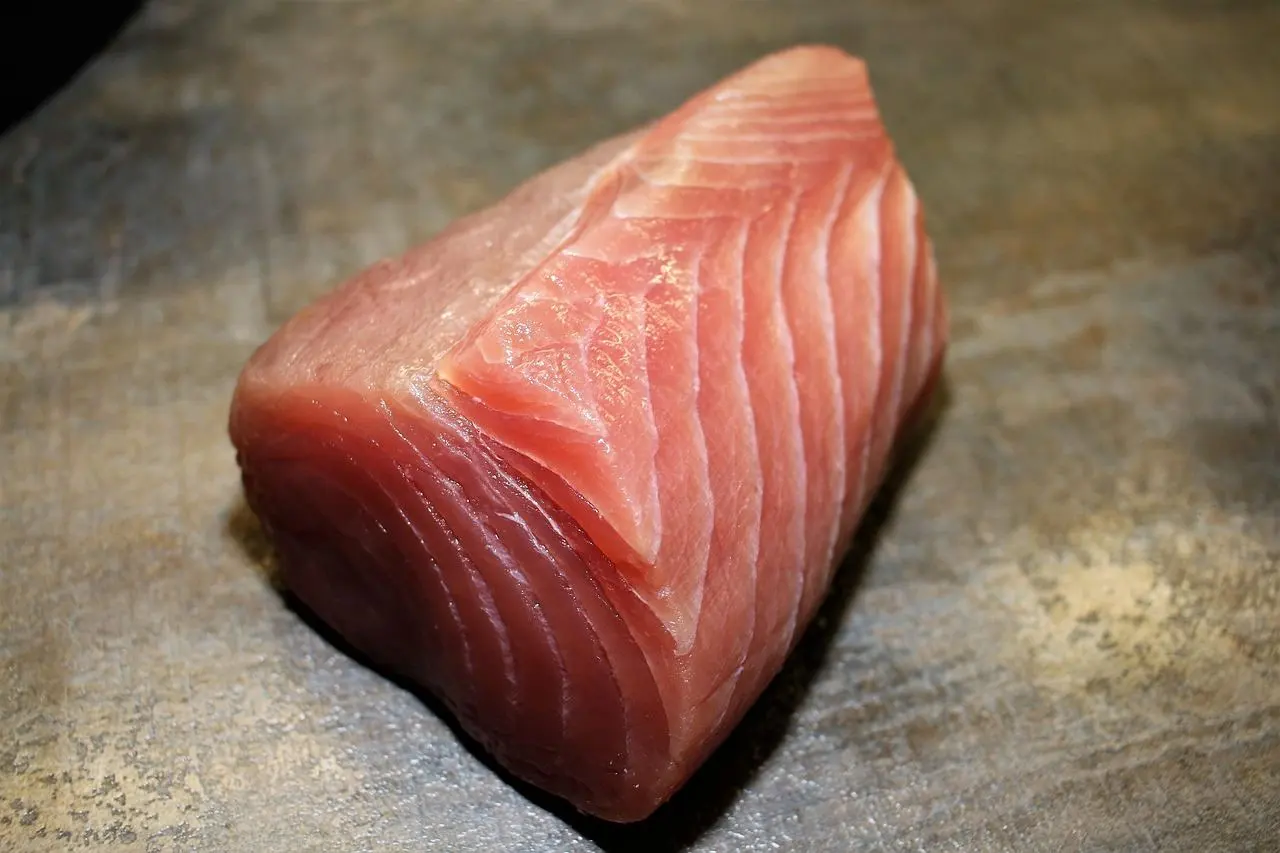
Exempt does not mean undocumented. Farm-raised fish qualify only when the formulated-feed record exists, so ask for it.
What should you ask your fishmonger?
A good seller can answer a few plain questions without hesitation:
- Was this fish frozen to a parasite-destruction standard, and is there a written statement?
- If it is farm-raised, was it fed formulated feed?
- Is it on the exempt list, such as shellstock or a listed tuna?
The paper trail matters. An establishment that freezes fish itself must keep freezing records for 90 days beyond the time of service or sale, per the health district. A supplier’s written statement can stand in for those logs when the supplier did the freezing, and a farm-raised statement is kept for 90 calendar days.
For species-level detail, the district points readers to the FDA’s Fish and Fisheries Products Hazards and Controls Guidance, which covers parasites in specific fish and the destruction process, according to the health district page.
Choosing once safety is settled
With the safety question answered, pick from what your market actually sells and what suits your recipe. Timing is its own topic, and the guide on how long to marinate ceviche picks up from there.
If you would rather avoid raw fish altogether, read about how to cook shrimp for ceviche, because cooking removes the parasite concern.
Frequently asked questions
Does freezing really make fish safer for ceviche?
Show answer
The district’s page states that freezing, as required under the 2023 Food Regulations, kills any parasites that may be present. That is the reason raw-served fish is frozen before it reaches the plate.
Is every tuna exempt from freezing?
Show answer
No. Only the Thunnus species named on the exemption list qualify, as of the health district’s page updated June 28, 2019, so check the species on your label against that list. See the source for the names.
Do farm-raised fish need to be frozen?
Show answer
Not when they were fed formulated feed and the paperwork backs it up, as that district page describes. Fish raised another way get no such pass.
Is cooked fish a parasite risk?
Show answer
The district says thoroughly cooked fish does not present a parasite health concern. The worry applies to raw, undercooked or lightly preserved dishes.
Do these rules apply in my home kitchen?
Show answer
They are written for food establishments, so they are not a home mandate. They still make a sensible yardstick when you buy and handle fish for ceviche.