Worried your octopus ceviche will turn out rubbery or unsafe? Keep the marinade short, start with the freshest seafood you can trust, and treat the dish like raw fish. The rest is timing and a little restraint.
For more dishes built on the same acid-and-timing logic, browse the full set of ceviche recipes on the site.
| Item | Value |
|---|---|
| Marinade time suggested by one Australian chef | 20 minutes |
| Marinade time suggested by a Peruvian chef | a couple of minutes |
| Seafood cooked to at least (food-safety guidance quoted by SBS Food) | 60 degrees Celsius |
| Or chilled to below | 4 degrees Celsius |
| Peru’s annual ceviche celebration | 28 June |
These figures come from SBS Food’s article on the science of ceviche. Guidance and chef opinions can change, so check the source before you rely on them.
How acid changes the texture
When an acidic marinade meets the myosin proteins that make up muscle, they coagulate, bond together and turn firmer and opaque, as America’s Test Kitchen explains. The process is gentler than heat, so the flesh stays tender and moist instead of drying out.
Timing decides how far the change goes. With a short marinade only the outside of each piece is transformed while the centre stays translucent, and a longer soak lets the acid diffuse until the piece is opaque all the way through and loses the tacky smoothness of raw seafood.
SBS Food describes the same effect as an extremely low pH that denatures protein networks, much as heating would. The sources used for this guide do not discuss octopus on its own, so treat everything here as principles for seafood in general. Ask your fishmonger how your pulpo was handled and whether it is meant to be eaten without further heat.
Is octopus ceviche safe to eat?
America’s Test Kitchen’s August 2022 explainer puts it bluntly: ceviche is only as safe as what you start with, so use only seafood you would be fully comfortable serving raw. Acid has an antimicrobial effect, but it is not nearly as effective as heat, especially against parasites.
The same piece gives a short checklist, written for fish but sensible for any seafood you plan to serve unheated:
- Buy the best, freshest saltwater species (not freshwater) from a fishmonger you trust.
- Look or ask for a “sushi-grade” label if possible.
- Serve it as soon as you can.
- Do not serve it to pregnant or immune-compromised persons.
Cathy Moir, a CSIRO food microbiologist, told SBS Food that raw seafood can be naturally contaminated with pathogens, parasites or seafood-associated toxins. She does not recommend serving it to people who are pregnant, have reduced immune systems, are diabetic or are elderly, according to SBS Food.
The same article quotes a temperature guideline: seafood should be cooked to at least 60 degrees Celsius or cooled to below 4 degrees Celsius to deal with potential pathogens. That is awkward to gauge when acid, not heat, is doing the work, which is why sourcing and cold storage matter so much.
How long should the marinade last?
Experts do not agree. Chef Jimmy Shu told SBS Food to leave seafood in the marinade for a good 20 minutes but not much longer, so it does not get too pickled. Peruvian chef Alejandro Saravia says you only need a couple of minutes and warns against over-marinating.
Moir takes a different angle in the same article: a longer, refrigerated soak, from hours to overnight, may help acid inactivate microorganisms. The article notes that most chefs would balk at that, because too much time in acid can turn seafood rubbery and tough.
For a tender pulpo, the rubbery warning is the one to take seriously. A reasonable approach is to work toward the short end of the range, taste a piece as you go, and serve straight away. If food safety worries you more than texture, that is a sign to choose a different dish rather than stretch the soak.
Tiger’s milk and serving
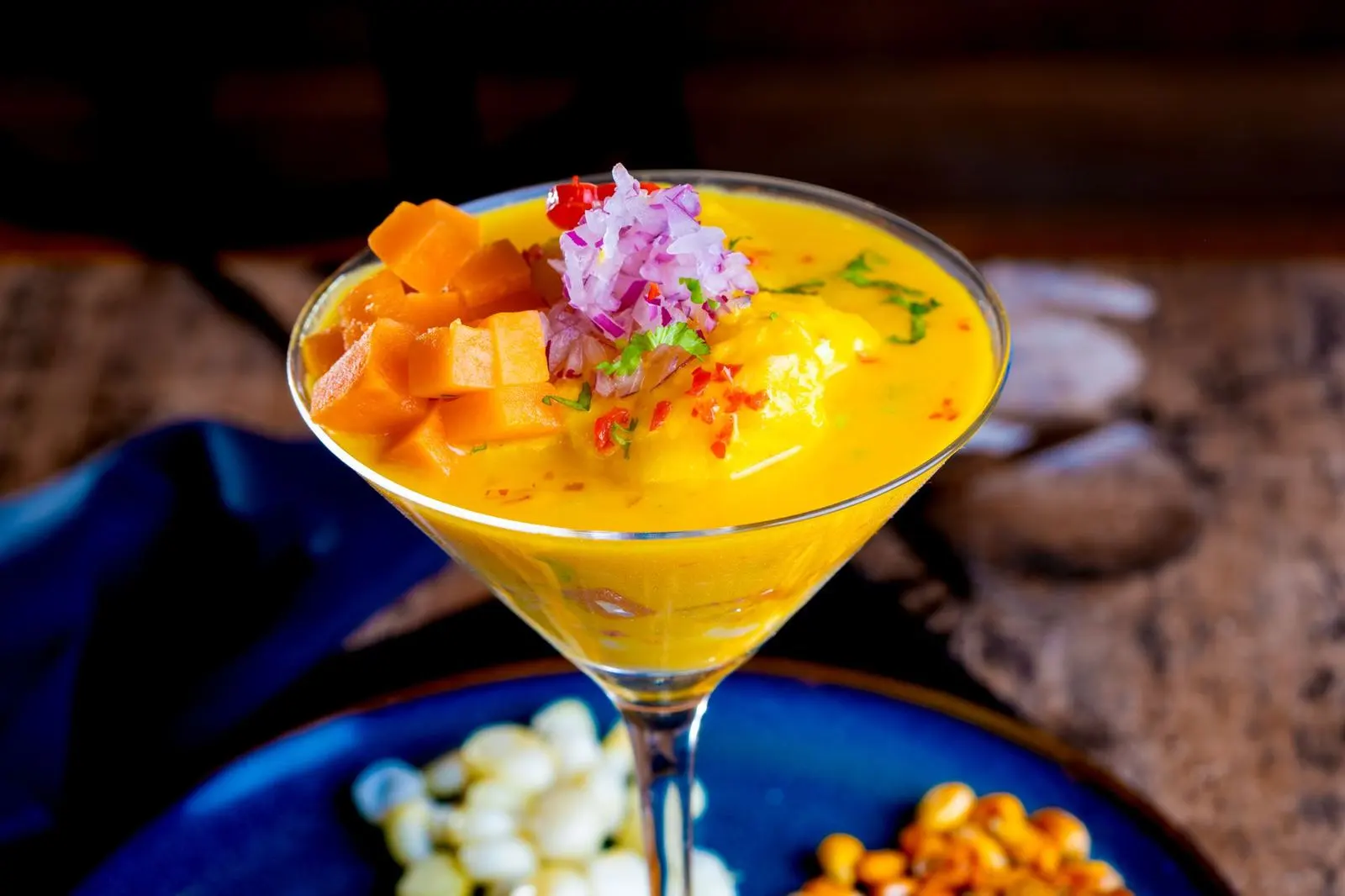
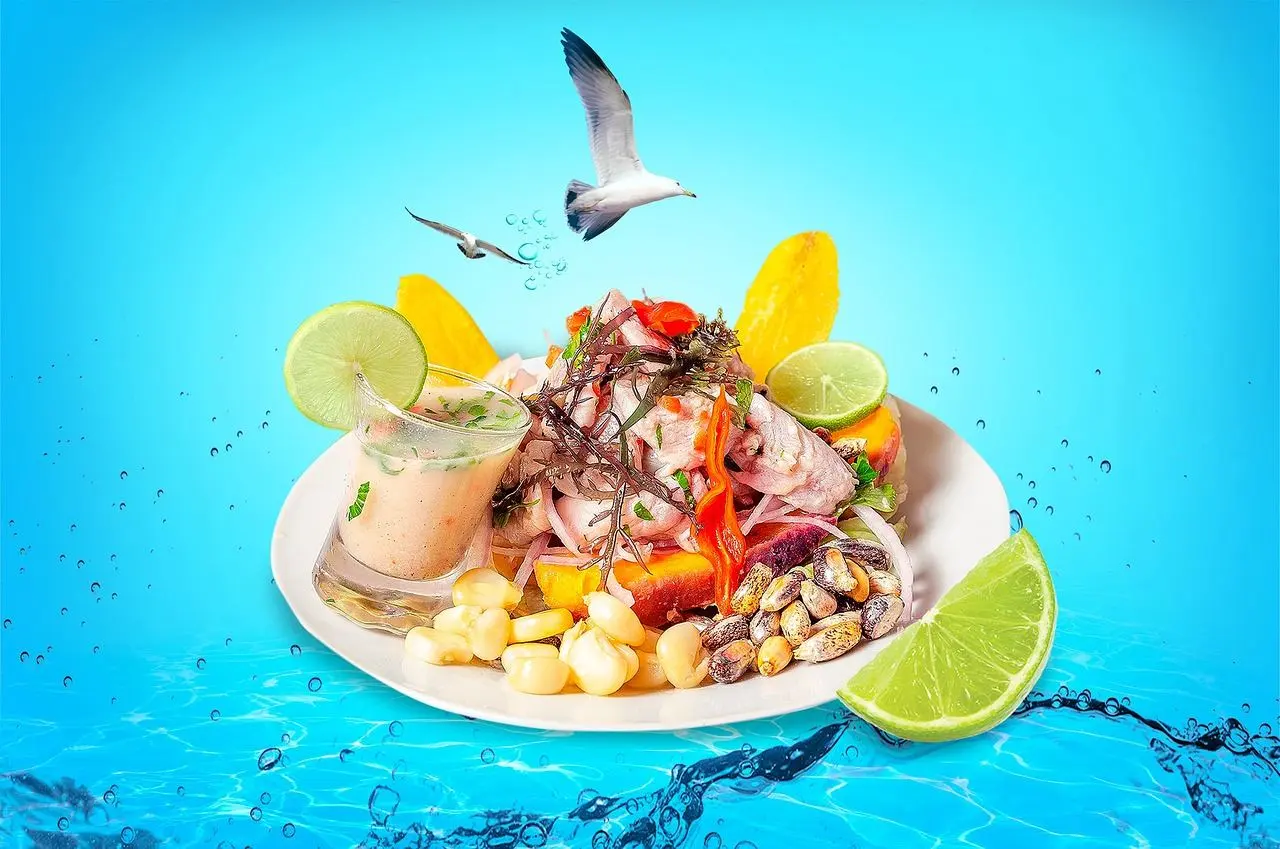
Ceviche is a national treasure in Peru, celebrated each year on 28 June, according to SBS Food. Its classic marinade, tiger’s milk, is traditionally made with limes from the north coast of Peru, Peruvian chilies, coriander roots and other ingredients that vary by region and by the cook’s taste.
Turmeric, chilli or coriander can each shift the colour of the marinade. It is often served alongside the ceviche in a small glass, ready to be drunk shot-style.
Serve the dish straight away so the seafood still looks translucent and vibrant and shows off its freshness and quality, as the same SBS Food piece advises. Holding it on the counter or in the fridge for a long time works against that goal.
Where to go next
The same acid-and-timing logic carries over to ecuadorian shrimp ceviche, which is worth cooking once you are comfortable with marinade timing.
A scallop ceviche is another useful way to practise short marinades and judge texture by eye.
Frequently asked questions
Does lime juice really cook octopus?
Show answer
Not in the way heat does. Acid firms and whitens muscle proteins, but the dish remains an uncooked one for safety purposes, so apply raw-seafood caution.
Can I leave it in the marinade overnight?
Show answer
The experts quoted by SBS Food split on this. One scientist sees a possible benefit from a long chilled soak, while the chefs prefer a brief one to avoid a tough, rubbery bite.
Who should skip raw seafood dishes?
Show answer
Pregnant people and anyone with a weakened immune system are named by America’s Test Kitchen. The CSIRO microbiologist adds diabetics and older adults to that list.
Why is the marinade called tiger’s milk?
Show answer
Nobody is certain. SBS Food reports that the origin is unclear and that some playful explanations circulate.