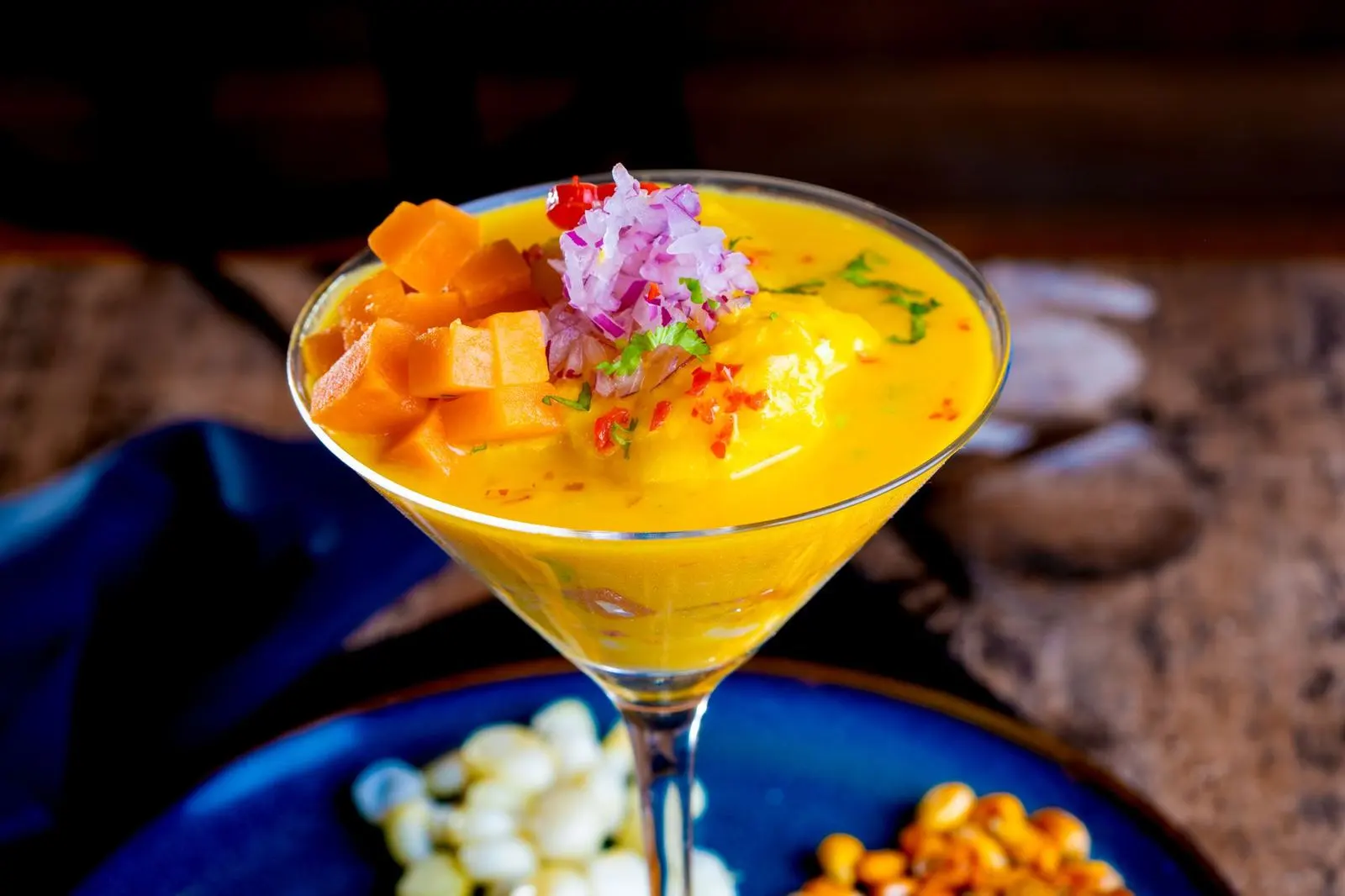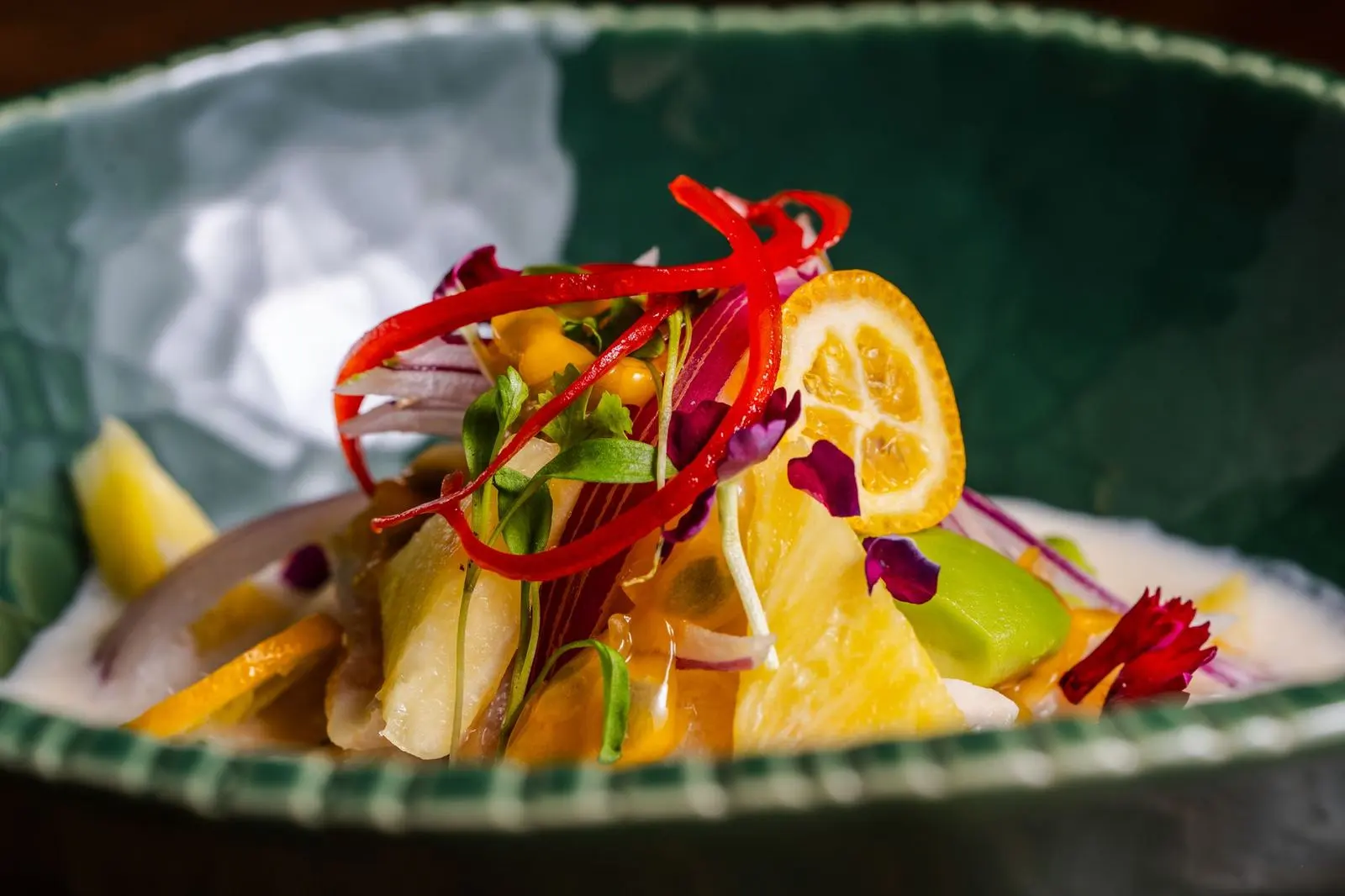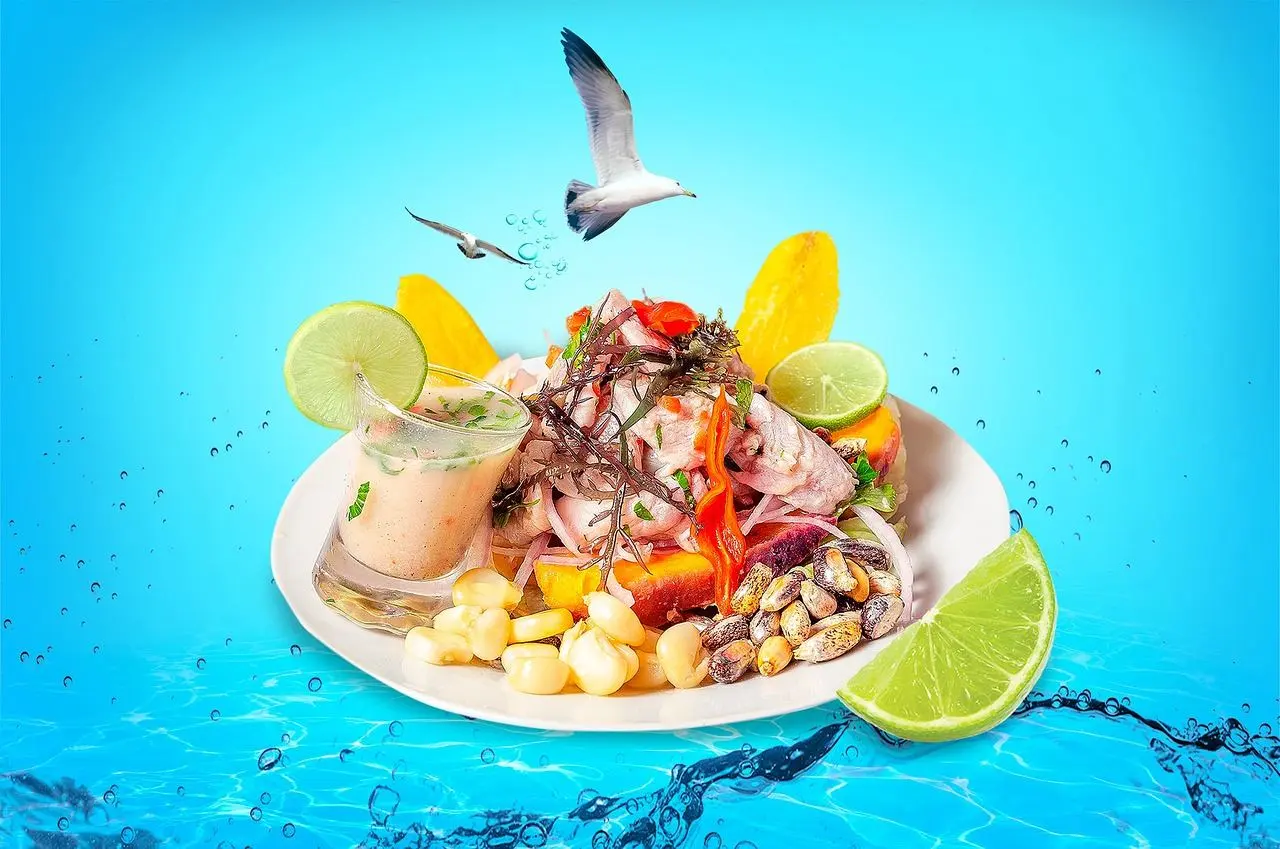
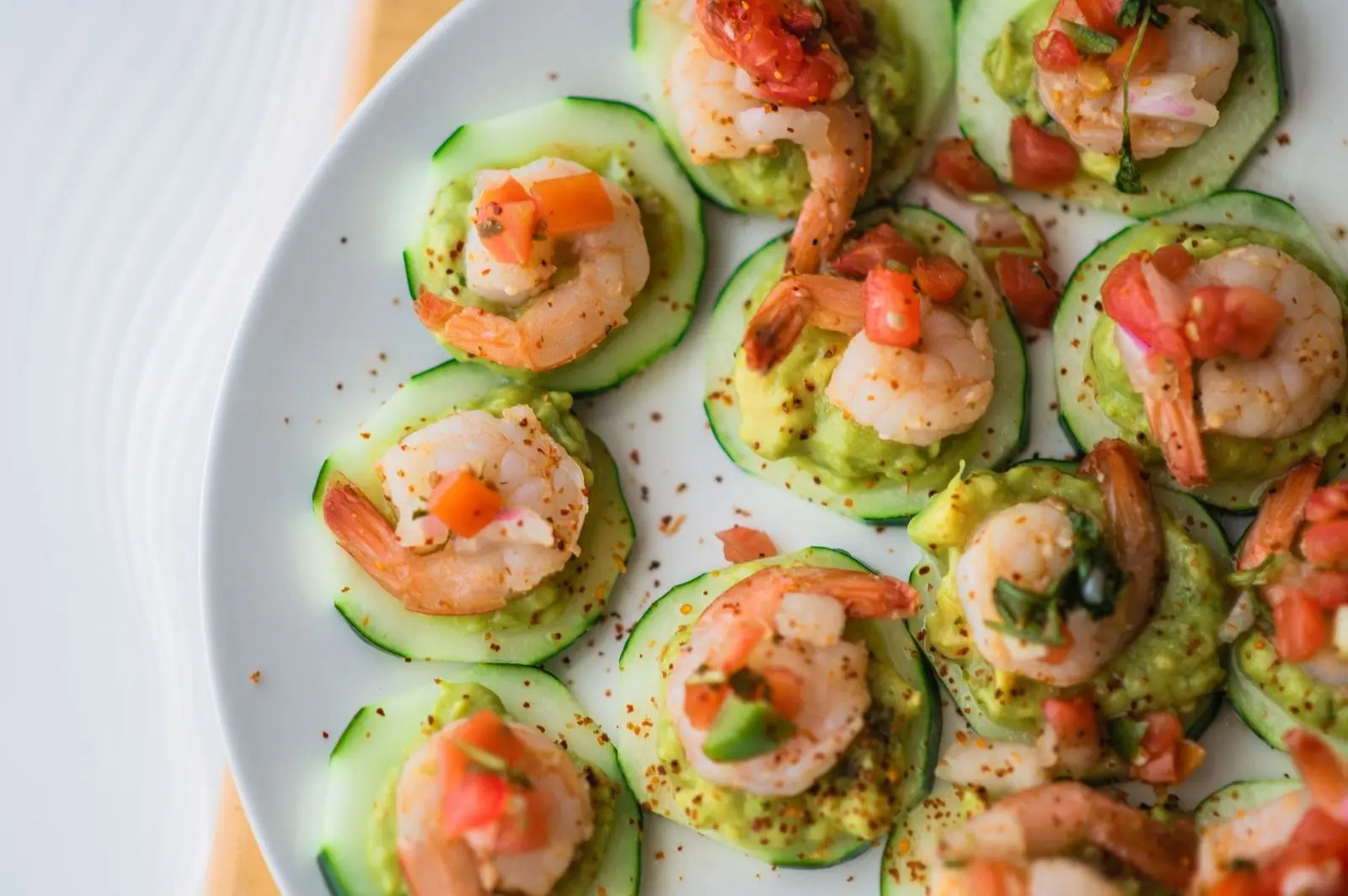
Craving heat and lime but unsure how to start? This aguachile recipe gives you raw shrimp, chile, lime, cucumber and red onion, served right away so the shrimp stay snappy and the sauce stays bright.
Aguachile sits in good company among the ceviche recipes on this site, so browse them once you have the basics down.
| Item | Value |
|---|---|
| Origin | Coast of Sinaloa, Mexico |
| Literal meaning | Chili water |
| Traditional chile | Chiltepin |
| Traditional main ingredient | Raw shrimp (and raw fish fillet) |
| Traditional vessel | Molcajete |
| Classic garnish | Cucumber and red onion slices |
These details come from Wikipedia’s Aguachile entry and The Takeout. Cooks and regions differ and sources get updated, so check the source before you rely on them.
What aguachile is and where it comes from
The name literally means chili water, and Wikipedia describes it as a Mexican dish typically made of raw seafood. Its origin lies on the coast of Sinaloa, where it was first made with boiled water and chiltepin.
The Sinaloa Science Center tells a slightly different story on Google Arts & Culture. It says the recipe started in the mountains with meat in boiling water, then moved to the coast, where shrimp quickly replaced the meat and was seasoned with lime.
Today’s version may be younger than many people assume. Eater’s feature calls aguachile’s place as the emblematic dish of Sinaloan cooking likely a recent invention, and notes that what counts as aguachile has become less clear as the dish has spread.
Ingredients for a classic shrimp aguachile
According to Wikipedia, the traditional dish uses shrimp and raw fish fillet in a liquid seasoned with chiltepin peppers, lime juice, salt, cucumber and red onion. Here is a practical shopping list built on that idea, with amounts left to your taste and your crowd:
- Very fresh shrimp, peeled and deveined, with tails on if you like the look
- Plenty of limes for juice
- A chile: chiltepin if you can find it, or fresh serrano or jalapeño
- Fine salt
- Cucumber, sliced thin
- Red onion, sliced thin
- Fresh cilantro for scattering on top
The chile is where the dish gets its personality. Chef Claudia Sandoval, who is from Mazatlán, tells The Takeout that chiltepin is a very small, round chile with more flavor, more floral notes and a lot more heat than crushed red pepper.
Can’t find it? The same interview says more complex versions add serrano or jalapeño with the lime, made in a molcajete or more modernly in a blender. Eater adds that in the port city of Mazatlán the dish is usually prepared with serrano.
How to make aguachile step by step
The traditional approach is all in the knife work. As Sandoval describes it, the shrimp are butterflied either completely open so they are super thin, or in half, and then laid out on a plate, as The Takeout reports.
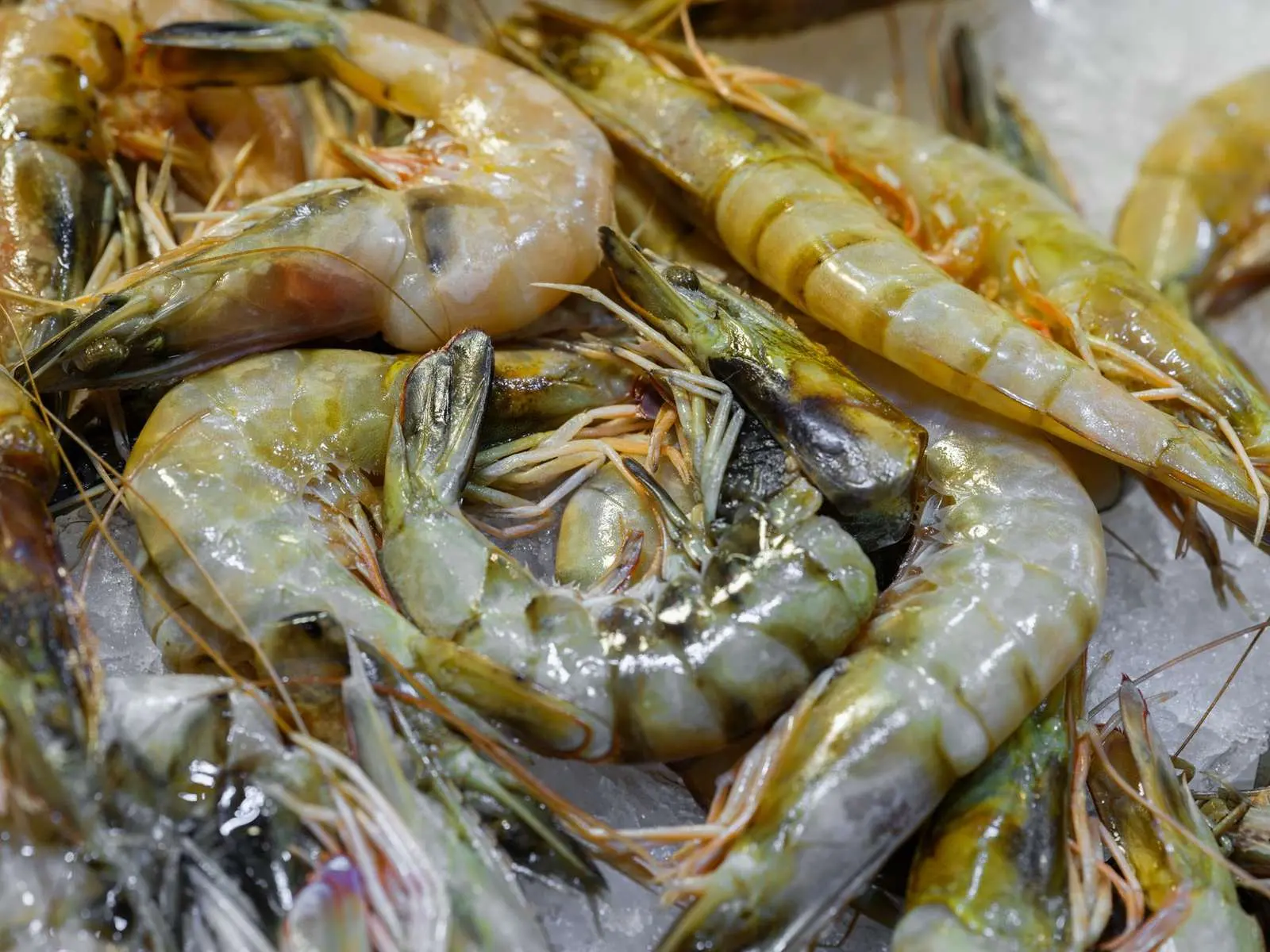
- Butterfly the shrimp, or halve them, and lay them out on a cold plate.
- In a molcajete or blender, crush or blend your chile with salt and lime juice until you have a bright, spicy liquid.
- Slice the cucumber and red onion as thinly as you can.
- Spoon the liquid over the shrimp and top with the cucumber, onion and cilantro.
- Serve immediately, while the shrimp are still glossy and firm.
Speed matters. Sandoval says the chiltepin and lime are sprinkled over and the plate goes to the table right away, as The Takeout quotes her.
The reward is texture. Eater’s writer describes shrimp that are still uncured by the lime, slick and sweet and snapping like cucumber.
Because the shrimp stay raw, buy them from a seller you trust, keep them cold until the moment you plate, and ask whether they are suitable to eat uncooked. If you are unsure, cook the shrimp briefly first; cooked shrimp is a known variation too.
How aguachile differs from ceviche
The two dishes are often lumped together. The Takeout points out that ceviche is a product of Peru, while aguachile comes from the Mexican state of Sinaloa.
Sandoval goes further and says aguachile is a lot closer to Japanese sashimi than to Peruvian ceviche. In her view, the idea that it is cured in lime the way ceviche is, is completely foreign to the traditional dish.
Not everyone draws the line so sharply. The Larousse culinary encyclopedia, quoted by Eater, defines it as a ceviche of raw shrimp mixed with lime juice, red onion, pepper, cucumber and chile. To taste the contrast yourself, follow the classic peruvian ceviche recipe and serve both side by side.
Variations: green, red, black and beyond
The Sinaloa Science Center notes on Google Arts & Culture that there are red, green and black aguachile, made not only with raw shrimp but also with cooked shrimp, octopus, clams and other shellfish.
The black style gets its color from soy. Eater says soy was popularized in Sinaloa with the arrival of Chinese immigrants in the late 1800s, and that a Mexico City cantina serves a black aguachile stained with it.
Sandoval insists the dish must be made with shellfish, shrimp or scallops, and she asks cooks to call a lime-cured plate ceviche. If you want a plant-based version of the same bright, spicy idea, our guide to vegan ceviche is the place to start.
Frequently asked questions
What does the word aguachile mean?
Show answer
It translates as chili water. Sandoval explains that fishermen once ground dried chiltepin over sliced shrimp with a little water, often seawater, which is how the name came about, according to The Takeout.
Is aguachile cooked?
Show answer
The traditional way is completely raw, per Sandoval in The Takeout. Some modern plates use cooked shrimp or other cooked shellfish instead.
Do I need a molcajete?
Show answer
No. Wikipedia says the dish is normally prepared in a molcajete, but a blender is a modern alternative for green versions with serrano or jalapeño.
Why did lime replace water in many recipes?
Show answer
Sandoval says that as the dish spread through restaurants, cooks added lime juice because diners knew it from ceviche, and it took the place of water in many kitchens, as The Takeout relays.